
8 Reasons to Use Construction Recycling Services for Your Project
Construction projects generate substantial amounts of debris, from concrete and wood to metal and packaging materials. Managing that waste responsibly is no longer optional in today’s regulatory and environmentally conscious landscape. Choosing professional recycling services can help contractors, developers, and property owners reduce landfill use, control costs, and improve overall project efficiency. Whether you are overseeing a commercial build or a residential renovation, recycling solutions play a vital role in meeting both operational and sustainability goals.
As environmental standards evolve and communities demand greener building practices, integrating construction recycling services into your project plan provides measurable advantages. From regulatory compliance to long-term financial benefits, these services support a streamlined workflow while reinforcing your commitment to responsible waste management.
1. Comply With Environmental Regulations
Construction waste is heavily regulated in many regions, with local and state authorities requiring contractors to divert a significant portion of debris from landfills. These regulations often include detailed reporting requirements, minimum diversion thresholds, and documentation verifying how materials are handled. Construction recycling services help ensure that your project meets these requirements through organized sorting systems, accurate weight tracking, and proper processing of recyclable materials. By partnering with an experienced provider, you gain access to the expertise and infrastructure needed to navigate complex compliance standards, reducing the risk of violations, costly fines, or unexpected project delays.
Staying compliant also enhances your reputation with clients, inspectors, and community stakeholders who increasingly expect responsible environmental practices. Recycling providers stay informed about changing laws and municipal ordinances, helping you adjust your waste management plan as requirements evolve. This proactive approach not only keeps your project on schedule but also positions your company as a responsible and forward-thinking industry leader. Demonstrating a clear commitment to compliance and sustainability can strengthen client relationships, improve bid competitiveness, and reinforce confidence within the communities where you build.
2. Reduce Landfill Waste
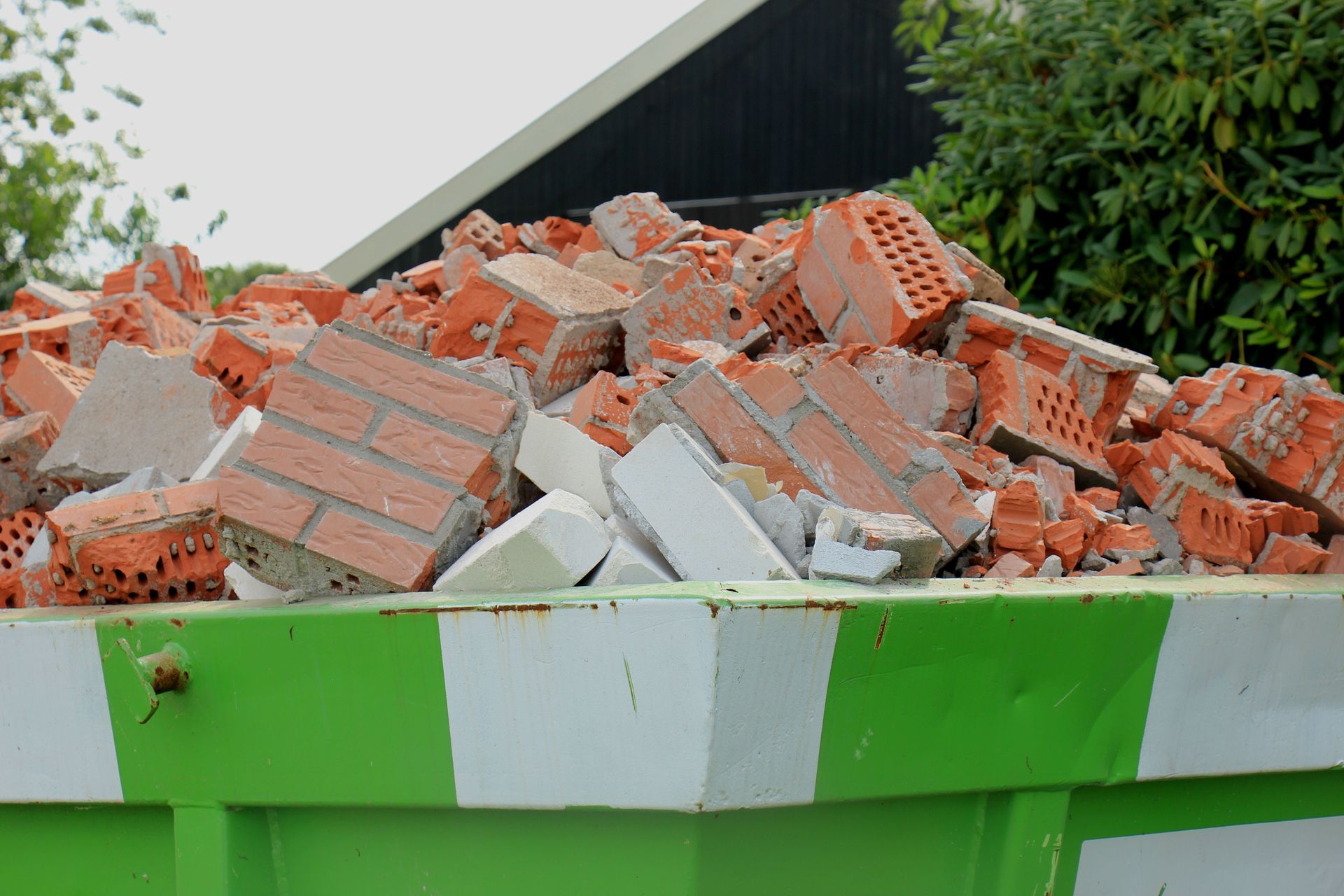
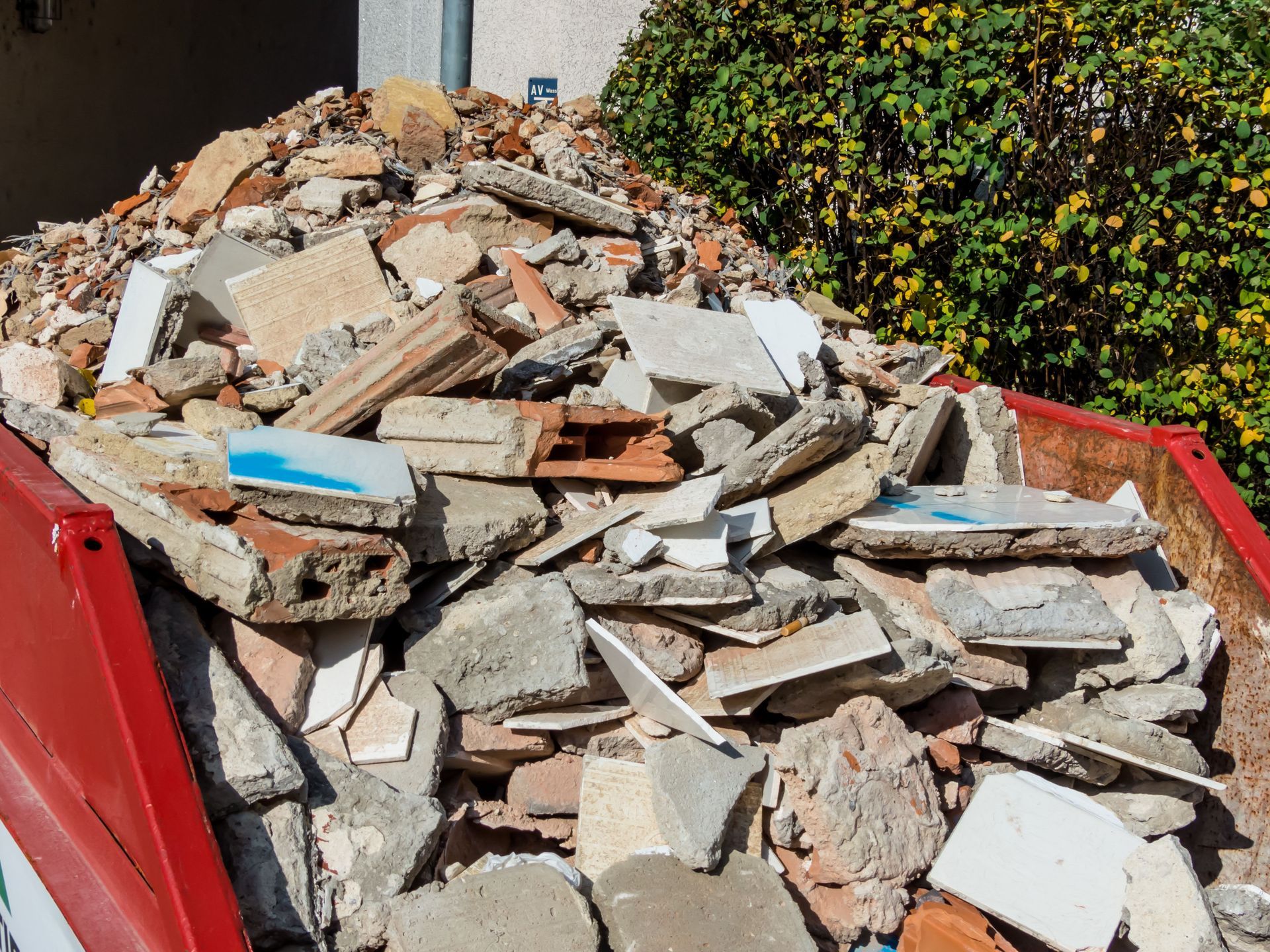
One of the most compelling reasons to use construction recycling services is the direct reduction of landfill waste. Construction and demolition debris make up a substantial portion of the solid waste stream, and without proper sorting, much of it would end up buried rather than reused. Materials such as concrete, asphalt, metal, cardboard, and wood can often be crushed, melted, chipped, or otherwise processed for reuse in future projects. Instead of contributing to overcrowded landfills, these materials are redirected into new construction applications or secondary markets, extending their lifecycle and reducing the need for virgin resources. This not only conserves raw materials but also lowers the environmental impact associated with extraction and manufacturing.
The impact of recycling efforts is significant and measurable. According to the Environmental Protection Agency, commercial and residential dumpster rentals combined with recycling programs can divert more than 60% of debris away from landfills. That level of diversion represents a meaningful reduction in environmental strain, including decreased greenhouse gas emissions and reduced pressure on landfill capacity. Structured recycling programs demonstrate that with the right planning and partnerships in place, construction projects can dramatically cut waste while supporting more sustainable, forward-thinking building practices.
3. Lower Overall Project Costs
Waste disposal fees can quickly add up, particularly on large-scale construction sites where debris accumulates daily. Landfill tipping fees, fuel costs, and hauling charges all contribute to rising expenses that can strain a project budget if not carefully managed. By separating recyclable materials and reducing the overall volume sent to landfills, construction recycling services help minimize these costs at the source. Diverting heavy materials like concrete, asphalt, and metal away from traditional disposal streams lowers tipping fees and can decrease the frequency of hauls, resulting in measurable savings throughout the life of the project. Over time, these efficiencies support stronger project margins and more predictable budget management.
Additionally, some recyclable materials retain market value, which can offset a portion of your disposal expenses. Metals, clean wood, and certain aggregates may be processed and resold, creating an opportunity to recover costs that would otherwise be lost. Recycling providers also help optimize container placement, right-size equipment, and coordinate pickup schedules to prevent overflow or unnecessary service calls. When recycling strategies are integrated early in project planning, they become a proactive cost-control measure rather than a reactive solution. This forward-thinking approach allows contractors to align environmental responsibility with financial performance, strengthening both operational outcomes and bottom-line results.
4. Improve Jobsite Organization
An organized jobsite is a safer and more productive jobsite. Construction recycling services typically include clearly labeled containers and structured waste collection systems that keep materials separated and contained. This reduces clutter, minimizes trip hazards, and streamlines workflow for crews.
With designated bins for specific materials, workers can dispose of debris quickly and correctly without disrupting operations. A clean and orderly site reflects professionalism and can positively influence inspections, client visits, and subcontractor coordination. Effective recycling programs contribute to smoother daily operations across the board.
5. Support Sustainability Goals
Sustainability is increasingly central to construction planning, particularly for developers pursuing green building certifications or corporate environmental targets. Integrating recycling services into your waste management plan supports broader sustainability initiatives by conserving natural resources and reducing carbon emissions associated with landfill disposal.
Recycling construction materials decreases the demand for virgin resources, lowering the environmental footprint of future projects. Demonstrating a commitment to responsible waste management can also strengthen relationships with environmentally conscious clients and investors. In a competitive market, sustainability is both a value statement and a business advantage.
6. Enhance Corporate Reputation
Public perception matters in the construction industry. Utilizing construction recycling services signals that your organization takes environmental stewardship seriously and is willing to invest in sustainable solutions.
Positive environmental practices can also support marketing and bidding efforts. Many public and private projects require documentation of waste diversion efforts, and having a structured recycling program in place strengthens your proposals. Over time, a reputation for sustainability can open doors to new opportunities and partnerships.
7. Streamline Waste Management Logistics
Managing construction debris without a clear plan can create confusion, inefficiencies, and unnecessary downtime. Professional construction recycling services simplify logistics by coordinating container delivery, pickup schedules, and material processing. This allows project managers to focus on core construction activities rather than waste coordination.
Experienced providers assess your project’s scope and recommend container sizes and service frequencies that align with your needs. This tailored approach reduces overflow issues and ensures consistent waste removal throughout each phase of construction. Streamlined logistics ultimately contribute to improved timelines and productivity.
8. Contribute to a Circular Economy
The construction industry plays a significant role in advancing a circular economy, where materials are reused rather than discarded. By partnering with recycling services, you actively participate in this system, ensuring that recoverable materials are processed and returned to productive use.
Concrete can be crushed for aggregate, metals can be melted and reformed, and wood can be repurposed into new products. These processes extend the life cycle of valuable materials and reduce overall environmental impact. Supporting a circular economy strengthens both the construction sector and the communities it serves.
From regulatory compliance and cost savings to sustainability and improved jobsite efficiency, the advantages of incorporating construction recycling services into your project are clear. As environmental expectations continue to rise, proactive waste management is becoming a defining feature of responsible construction practices. By making recycling an integral part of your operations, you not only protect the environment but also position your business for long-term success.
If you are ready to enhance efficiency, reduce landfill waste, and strengthen your sustainability efforts, we invite you to partner with us at Debris Box. Let us support your next project with reliable, professional recycling solutions.


Share On: