
Top Materials You Can and Cannot Dispose of in Construction Dumpsters
This article provides a comprehensive guide to the materials that are permitted and prohibited in construction dumpsters. Understanding what can and cannot be disposed of is crucial for maintaining legal compliance, ensuring safety, and promoting environmental conservation. The construction industry is a major contributor to waste, and the dumping of inappropriate materials can have dire environmental and legal ramifications. With the U.S. Dumpster Rental Market projected to grow 6.5% by 2026 according to LikedIn, ensuring proper waste management practices is increasingly important. Through this guide, we aim to equip you with the knowledge needed to responsibly handle construction waste.
Building Materials You Can Dispose Of
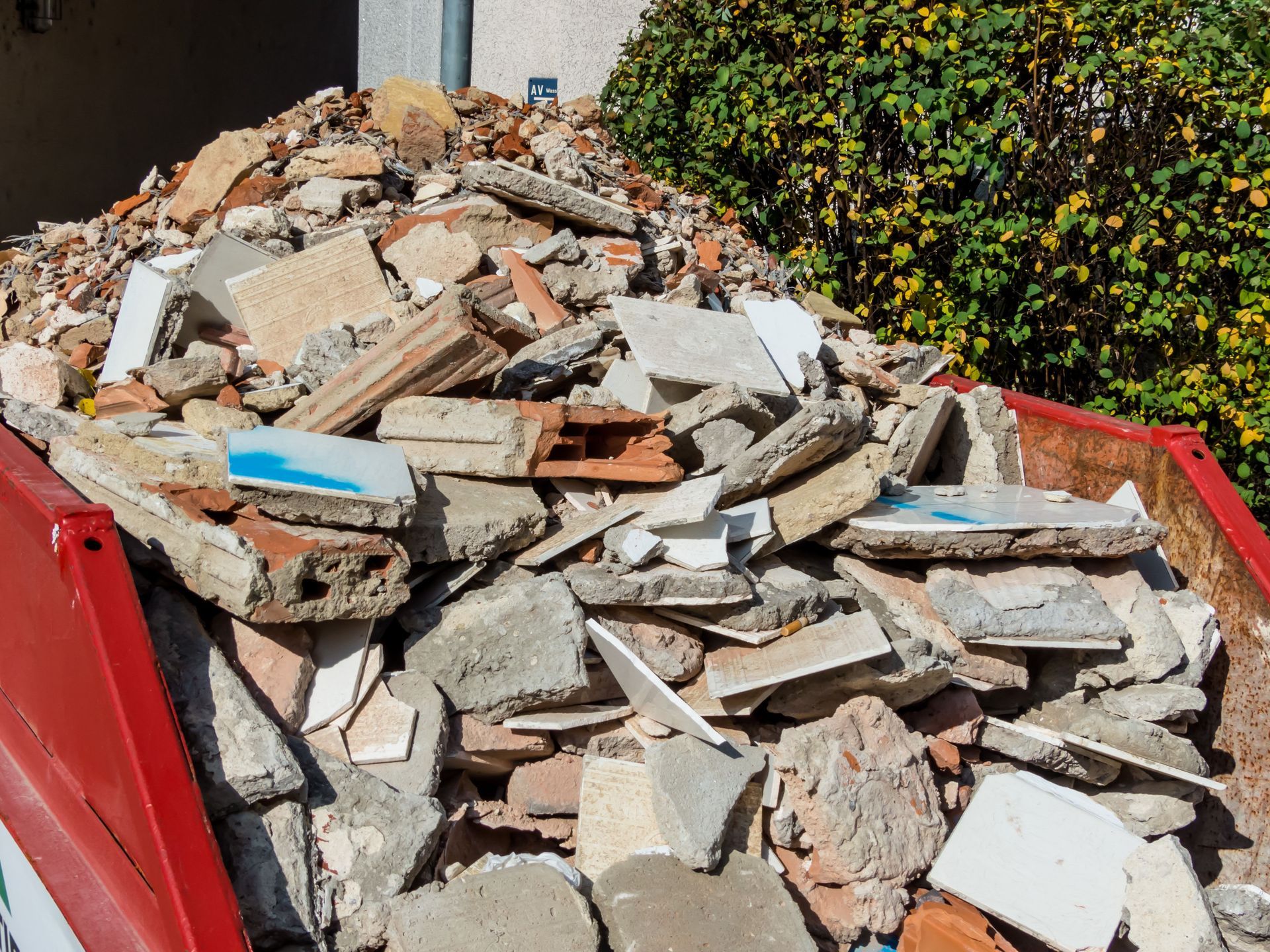
Construction dumpsters are designed to handle a variety of materials, including concrete and asphalt. These two materials are often seen on construction sites because they form the foundation of many buildings and roadways. Disposing of concrete and asphalt in construction dumpsters is straightforward and can often result in these materials being recycled for future use. The recyclability of concrete and asphalt not only facilitates waste reduction but also conserves natural resources by minimizing the need for raw materials. As such, including these materials in construction dumpsters supports sustainable construction practices.
Brick and stone are another set of materials that can be disposed of in construction dumpsters without much hassle. Just like concrete and asphalt, brick and stone can be crushed and repurposed for new construction projects. Their durability ensures that they can be reused multiple times, minimizing their environmental impact. The inclusion of these materials in dumpsters underscores the industry's focus on circular economy, where materials are kept in use for as long as possible. By responsibly discarding bricks and stones, construction professionals contribute to this sustainable model.
Metals such as steel and aluminum are also acceptable materials for construction dumpsters. These materials are highly recyclable, making them a favorable choice for both construction and waste management. Recycling metals not only reduces the need for mining new ore but also saves energy, as recycling is less energy-intensive than producing new metals from raw ore. Non-hazardous lumber, drywall, and plaster can also be disposed of in construction dumpsters. These materials, when devoid of hazardous substances, contribute to sustainable disposal practices that prioritize recycling and reuse.
Building Materials You Cannot Dispose Of
Asbestos-containing materials are strictly prohibited from being disposed of in regular construction dumpsters due to their hazardous nature. Asbestos fibers pose significant health risks when inhaled, leading to conditions such as lung cancer and mesothelioma. Proper disposal of asbestos involves specialized handling and containment methods that prevent fiber release into the environment. The disposal process for asbestos is regulated by stringent laws to protect public health and safety. Awareness and compliance with these regulations are crucial for construction projects involving older buildings with asbestos components.
Lead-contaminated materials present another significant disposal challenge. Lead is a toxic metal that can cause severe health problems, particularly in children and pregnant women. Construction projects that involve the demolition of older buildings must take care to properly identify and manage lead-containing materials to prevent contamination. Disposing of these materials requires specialized treatment facilities equipped to handle hazardous waste. Ensuring that lead-contaminated materials are not placed in regular dumpsters helps prevent environmental pollution and protects human health.
Similarly, treated wood, which often contains chemicals for preservation and pest resistance, cannot be disposed of in construction dumpsters. These chemicals can leach into the soil and water, causing environmental contamination. It is necessary to identify and separate treated wood from non-hazardous materials to prevent its improper disposal. Proper disposal of treated wood involves taking it to facilities certified to handle dangerous waste. Doing so ensures compliance with environmental regulations and helps safeguard natural ecosystems from chemical exposure.
Landscaping and Yard Waste Disposal Guidelines
When it comes to landscaping and yard waste, tree branches and leaves are generally acceptable for disposal in construction dumpsters. These organic materials are often composted or processed into mulch, reducing the volume of waste that ends up in landfills. By diverting such yard waste to composting facilities, construction professionals can support sustainable waste management practices that enrich the soil and promote healthy plant growth. Proper disposal of yard waste contributes to the reduction of greenhouse gases emitted by decomposing organic matter in landfills. This practice underlines the importance of responsible waste management in construction projects.
Grass clippings, sod, and topsoil can also be placed in construction dumpsters, provided they are free of contaminants such as pesticides and herbicides. These materials are generally considered inert, meaning they do not break down rapidly or contribute to pollution. Disposing of them responsibly involves ensuring that they do not contain harmful substances that could impact environmental health. While many landfill facilities accept clean yard waste, recycling these materials through composting remains a more environmentally friendly option. Construction companies can enhance their environmental credentials by incorporating yard waste recycling into their waste management plans.
Another material that can be placed in construction dumpsters is untreated wood. Unlike treated wood, which contains hazardous chemicals, untreated wood can be easily recycled or disposed of. It can be chipped and used as fuel or processed into new products like particleboard. Ensuring the separation of untreated wood from hazardous materials is crucial for its effective recycling. By adhering to guidelines around yard waste and untreated wood disposal, construction professionals can help reduce landfill waste and promote environmental sustainability.
Prohibited Household Items Often Found in Construction Dumpsters
Construction dumpsters are frequently misused for the disposal of prohibited household items, including appliances and electronics. These items often contain hazardous substances like refrigerants, mercury, and heavy metals, which require special handling. Improper disposal of electronic waste can lead to soil and water contamination, affecting both ecosystems and human health. To address this issue, construction professionals must ensure proper sorting and disposal practices that prevent prohibited items from entering dumpsters. Working with e-waste recycling facilities helps mitigate the environmental risks associated with improper disposal of electronic waste.
Mattresses and furniture are other household items that are commonly found inappropriately placed in construction dumpsters. Disposing of these items in regular dumpsters is often illegal, as they can contain harmful chemicals and materials that require special processing. Many scrap materials in mattresses and furniture can be recycled if properly sorted and transported to the appropriate facilities. Construction companies must educate workers and clients on the correct disposal methods for these items to avoid legal penalties. Effective waste management plans include provisions for the proper recycling and disposal of mattresses and large furniture.
Tires and batteries represent additional challenges in terms of disposal. Both items can release toxic substances into the environment if not properly managed. Tires, for example, can generate harmful fires and release noxious gases when burned. Batteries can leak corrosive acids and heavy metals, leading to serious environmental pollution. Proper disposal involves taking these items to facilities equipped for recycling and disposal of hazardous waste. Proactive education and policy enforcement can prevent these materials from being improperly discarded in construction dumpsters.
Proper disposal of construction materials is vital for compliance with legal standards and the promotion of environmental sustainability. By identifying what can and cannot be placed in construction dumpsters, individuals and companies can effectively reduce waste, avoid fines, and support a cleaner, safer planet. Through improved waste segregation practices, responsible disposal of prohibited materials, and partnerships with recycling facilities, the construction industry can make significant strides toward sustainability. As the U.S. dumpster rental market continues to grow, embracing these practices is not only beneficial but essential for a sustainable future. By committing to proper disposal methods, construction professionals can drive positive change within their industry and beyond. Be sure to reach out to Debris Box today for more information on our professional construction dumpsters!


Share On: