
How Proper Construction Recycling Benefits the Earth
Construction recycling is an essential component of our global commitment to environmental sustainability. It plays a crucial role in reducing the waste generated from building demolitions and renovations, ultimately conserving resources and reducing landfill usage. Effective recycling practices in construction help combat the alarming figures of waste production in many developed countries. This article explores the key aspects and benefits of proper construction recycling for our planet, including actionable steps that stakeholders can take.
Understand the Basics of Construction Recycling
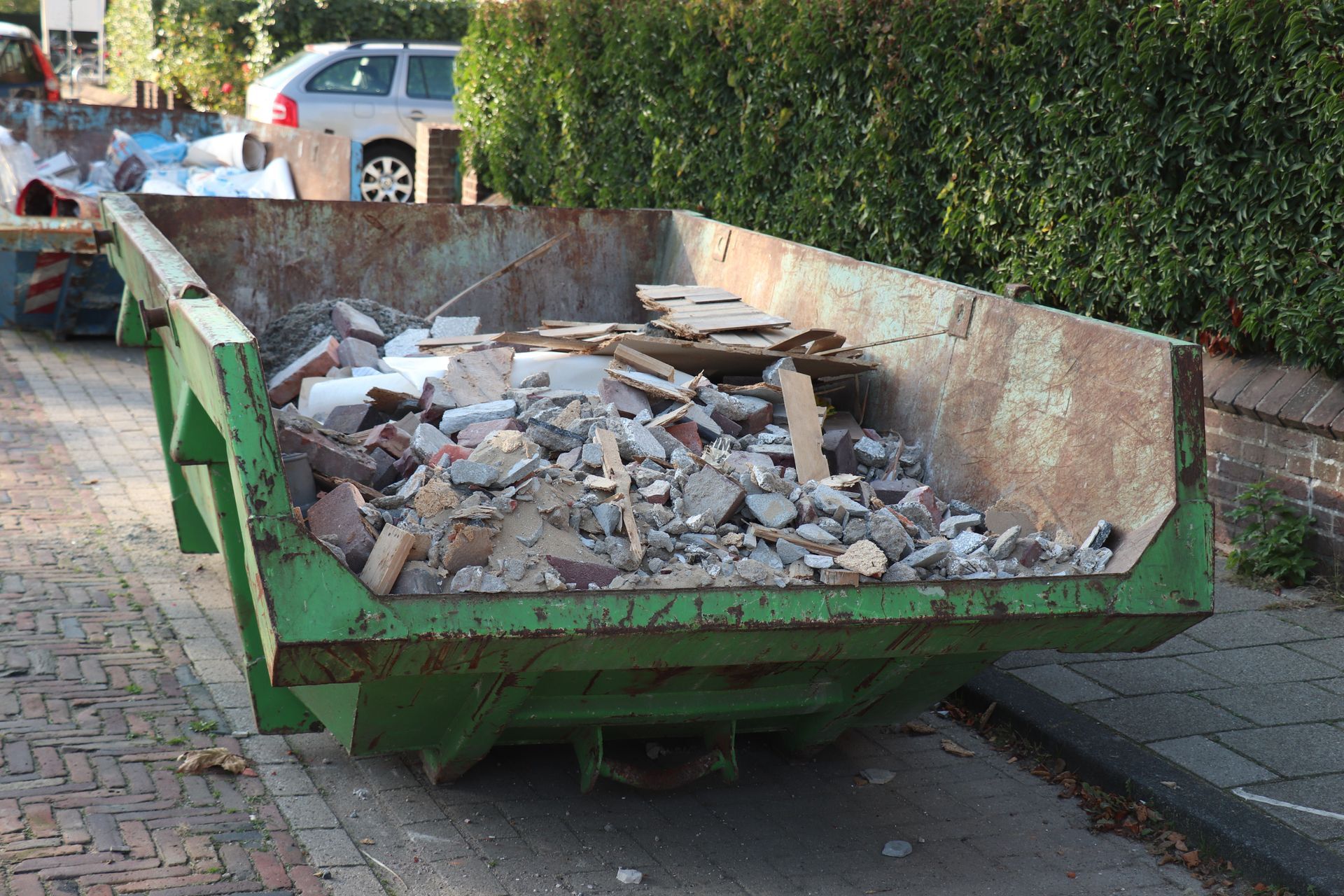
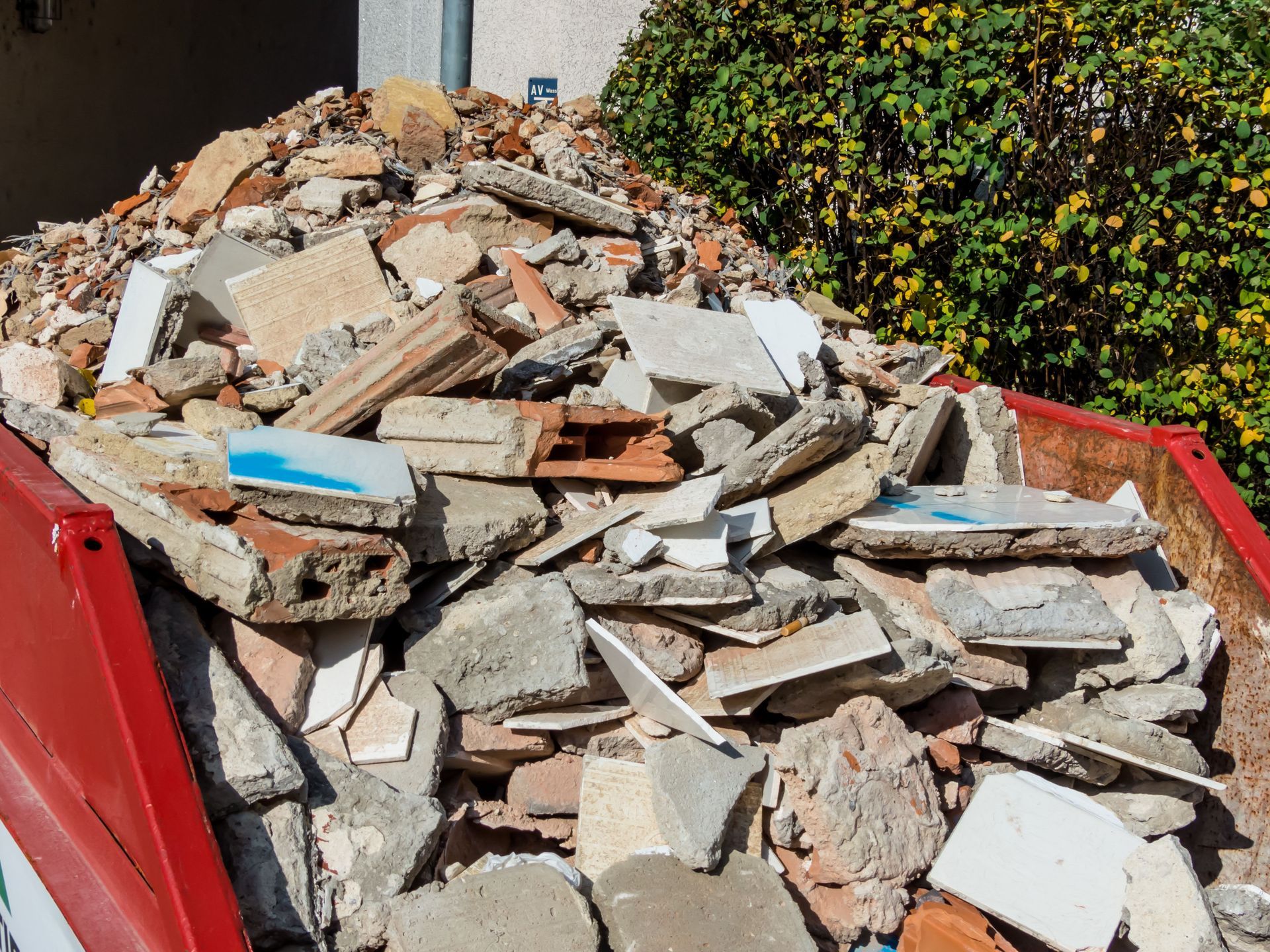
Construction recycling involves repurposing debris and waste materials generated from construction and demolition activities. These materials include concrete, wood, metals, and asphalt, which can all be recycled and used in new construction projects. Recycling such materials serves as an alternative to simply discarding them in landfills, which are rapidly nearing capacity worldwide. The practice is integral to minimizing the environmental footprint of the construction industry.
Much of the waste produced during construction projects can actually be transformed into new products. For example, recycled concrete can be used as aggregate in new cement mixtures, while metals such as steel and copper can be melted down and reused. According to Dumpsters.com, an online trash statistics resource, the U.S. produces about 268 million tons of trash each year, and a significant portion of this originates from the construction and demolition sector, highlighting the importance of recycling in this domain. Through systematic collection and processing, these valuable materials can be diverted from landfills and channeled back into production cycles.
Construction recycling is facilitated by an array of technologies and methods that separate recyclable materials effectively. Advances in sorting technology, such as mobile processing units, allow on-site recycling, reducing the need for transportation and minimizing carbon emissions associated with waste transport. More importantly, construction recycling is not limited to large-scale projects; even small renovation projects can incorporate efficient recycling processes. The growing awareness and technological advancement are key to increasing the reach and efficacy of construction recycling practices.
Conserve Resources Through Construction Recycling
The importance of construction recycling lies in its potential to conserve natural resources significantly. By recycling concrete, wood, glass, and metals, the need for raw material extraction is reduced, which can prevent environmental degradation. This reduction helps in preserving natural habitats, reducing soil erosion, and preventing water pollution that occurs during traditional raw material procurement. Construction recycling acts as a critical intervention in the quest to achieve global sustainability targets.
Additionally, landfills are becoming increasingly overwhelmed with waste from construction projects, contributing to rapid urban sprawl and negative ecological impacts. Utilizing recycling as a solution not only alleviates pressure on landfills but also ensures that valuable land space is reserved for more eco-friendly uses. Every ton of material recycled helps reduce the strain on limited landfill sites, saving money and reducing greenhouse gas emissions associated with waste decomposition. It is a vital part of the strategy to combat rising pollution levels.
Construction recycling also presents economic benefits by reducing the costs associated with waste disposal. Sustainable practices often lead to financial savings for contractors and developers when implemented efficiently. By transforming waste into reusable materials, the industry can mitigate the costs linked to purchasing new materials and waste management. Embracing recycling ensures long-term economic stability and resilience within the construction sector.
Implement Effective Construction Recycling Practices
Implementation of construction recycling begins with a comprehensive waste assessment on-site to determine what materials can be recycled. Sorting waste during different construction stages is critical; materials are separated at the source into categories such as metals, wood, and concrete. Labeling bins appropriately for each material type promotes efficient on-site segregation, aiding the recycling process significantly. This early-stage sorting prevents mixed waste, making processing easier and more effective.
A reliable and well-coordinated logistics network is essential for transporting sorted materials from construction sites to recycling facilities. Partnerships between construction companies and recycling firms facilitate the movement of materials to where they can be processed and repurposed. Furthermore, the use of on-site crushing and screening equipment enables the transformation of debris into ready-to-use construction materials, reducing the need for external processing facilities. These logistics strategies are pivotal in reducing transport costs and emissions.
Construction recycling also involves modern technologies such as waste tracking software and automated material sorting systems, which enhance accuracy and efficiency. These systems allow for the meticulous tracking of waste streams and provide valuable data to improve recycling rates over time. By leveraging technology, projects can set recycling targets and measure performance, ensuring accountability and continuous improvement. Successful implementation hinges on the integration of these advanced tools into everyday construction practices.
Reduce Environmental Impact Through Recycling
The benefits of construction recycling are vast and significantly improve the Earth’s ecosystem by reducing pollution and conserving resources. By minimizing the extraction of new materials, ecosystems face less disruption, maintaining biodiversity and natural landscapes. Through reduced demand for landfills, less methane is emitted, a potent greenhouse gas contributing to climate change. This reduction in emissions directly correlates with a reduction in air and water pollution, fostering healthier environments for wildlife and humans alike.
Construction recycling reduces the overall energy needed for processing raw materials, as recycling consumes considerably less energy than material extraction and processing. This energy reduction supports broader climate change mitigation strategies, underscoring the role of recycling in sustainable development. Furthermore, it contributes to carbon footprint reduction for businesses, aligning construction activities with international environmental standards and agreements. The Earth’s ecosystems benefit from the decreased strain on its natural resources and the promotion of sustainable development principles.
Recycling in construction cultivates an environmentally conscious mindset across industries, encouraging innovation and collaboration. Companies engaged in recycling initiatives often lead advancements in sustainable construction techniques and materials. This ongoing commitment creates opportunities for eco-friendly technologies and processes to evolve, making construction projects more sustainable. By reinforcing a culture of recycling and sustainability, construction projects can significantly contribute to environmental preservation and ecosystem health advancements.
Promote Construction Recycling Across the Industry
Encouraging more construction recycling involves a multi-faceted approach that includes policy changes, education, and incentives. Governments can implement stringent regulations mandating recycling protocols in construction projects, ensuring that recycling becomes standard practice. Providing subsidies or tax breaks to companies that prioritize recycling can incentivize greener practices. Moreover, creating awareness programs highlighting the benefits of recycling on construction sites can drive wider acceptance and commitment.
Education is crucial in promoting construction recycling as it raises awareness of its vital role in sustainability and environmental conservation. Workshops and training sessions for construction professionals can provide the necessary knowledge and skills to implement efficient recycling strategies successfully. Collaboration between industry experts and educational institutions can cultivate a new generation of environmentally-conscious construction professionals. These educational efforts can build a solid foundation for future sustainability advancements in the construction industry.
Another effective strategy is to foster partnerships between various stakeholders in the construction and recycling industries. By working collaboratively, these entities can develop innovative solutions and share best practices that promote recycling. Public-private partnerships can also play a key role in expanding recycling infrastructure and capabilities. Through concerted efforts, a culture emphasizing sustainability and recycling can be ingrained in the construction industry, providing long-term benefits to the Earth's ecosystem.
Proper construction recycling presents numerous benefits, both environmentally and economically, by minimizing waste, conserving resources, and reducing landfill waste. It plays an indispensable role in achieving global sustainability goals and creating healthier ecosystems. As part of the solution to the massive annual production of waste, estimated at around 268 million tons in the U.S. alone, construction recycling provides a viable path forward. Reach out to Debris Box to learn more about our services today.


Share On: