
Managing Construction Debris: How to Keep Your Project on Schedule
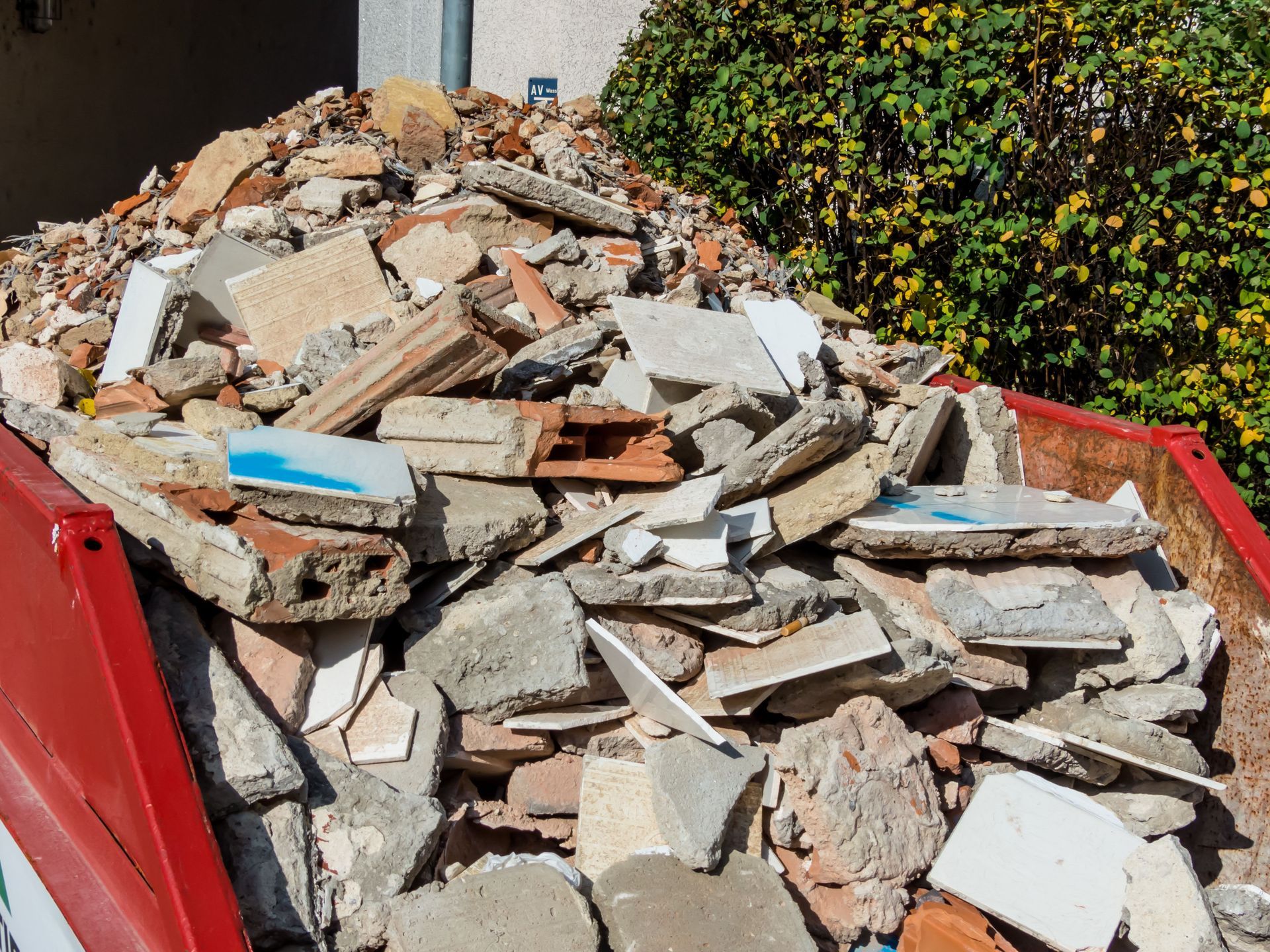
Managing construction debris is an important part of keeping a project organized and moving forward. Construction and demolition work can generate large amounts of material, including concrete, asphalt, wood, metal, drywall, green waste, and other debris. Without a plan for containing, removing, and recycling these materials, debris can quickly accumulate around an active work area.
A practical debris management approach starts with understanding what materials a project will produce, choosing an appropriate container, and planning hauling and pickup around the work schedule. A construction dumpster gives crews a designated location for debris while work is underway. Separating eligible recyclable materials can also help keep loads organized and support responsible disposal practices.
Significant Construction Debris Impacts
Reduce Site Clutter
Construction debris can take up valuable space and make active work areas more difficult to navigate. Keeping materials in a designated construction dumpster gives crews a central location for debris as work progresses. Organized containment can help reduce clutter and keep materials from accumulating throughout the site.
Protect Work Areas
Unmanaged debris can obstruct pathways and create unnecessary hazards around a construction site. Keeping waste contained in a construction dumpster and removing full loads can help maintain clearer work areas. A properly placed container also provides a designated location for materials that would otherwise be left around the project.
Limit Project Disruptions
Debris that is allowed to accumulate can interfere with ongoing construction or demolition work. Planning for construction dumpster delivery and pickup before materials begin to pile up can help keep waste under control throughout the project. Coordinating hauling with the pace of work also gives crews a more practical way to manage the material they generate.
According to the Environmental Protection Agency, commercial and residential dumpster rentals help divert more than 60 percent of debris from landfills when combined with recycling programs. Recycling eligible materials can provide another way to manage construction debris during a project. Separating recyclable materials before pickup can help keep those loads organized.
Practical Construction Debris Planning
Assess Project Needs
Start by considering the type and amount of material the project is expected to generate. A home cleanup, remodeling project, construction job, and demolition project may produce very different types and volumes of debris. Understanding the scope of the work can help determine which construction dumpster and hauling approach is appropriate.
Choose the Right Container
Different projects call for different container sizes and configurations. Available options include standard boxes, midsize boxes, Low Boy containers, and smaller 3-yard and 4-yard bins. Heavy materials such as dirt, rock, concrete, and asphalt may require a Low Boy, while other projects may call for a standard or midsize box.
Plan Delivery and Pickup
Dumpster delivery and pickup should be coordinated with the project's schedule. Keeping a construction dumpster available while construction or demolition work is underway provides a designated place for debris. Once the container is full or the project is complete, arranging pickup helps keep materials from continuing to accumulate at the worksite.
Separate Recyclable Materials
Separating materials before pickup can help reduce contamination in recyclable loads. Depending on the material and load requirements, construction and demolition recycling may include concrete, asphalt, wood, metal, drywall, green waste, and sod. Keeping prohibited materials out of designated recycling loads helps prepare materials for appropriate processing.
Effective Construction Debris Handling
Keep Materials Contained
Using a designated container gives construction crews a consistent place to put debris throughout the project. Keeping materials contained can reduce clutter and make it easier to maintain active work areas. The type of container should also match the material being removed, particularly when a project involves heavy materials.
Prepare Recycling Loads
Recyclable materials have different requirements, so loads should be prepared according to the type of material being collected. For example, wood loads have restrictions on materials such as treated lumber, painted or stained wood, and certain composite materials. Metal loads should be kept free of trash, while other recyclable materials have their own requirements.
Remove Debris Promptly
Timely hauling can help prevent construction debris from taking over available work areas. Scheduling pickup around the project's progress allows full containers to be removed and provides room for continued work. Regular attention to debris removal can be particularly useful during construction and demolition projects that generate material throughout multiple phases of work.
Match Boxes to Materials
Container selection should account for both the volume and weight of the material being removed. Low Boy containers are designed for heavier materials such as dirt, rock, concrete, and asphalt, while other boxes can accommodate mixed construction loads. Choosing an appropriate container helps keep the material contained and supports a more organized hauling process.
Responsible Construction Material Recycling
Identify Recyclable Materials
Construction and demolition projects can generate several materials that may be suitable for recycling. Depending on the load, these can include concrete, asphalt, wood, metal, drywall, green waste, and sod. Identifying these materials before loading makes it easier to keep recyclable materials separated from general waste.
Follow Material Guidelines
Each recyclable material has specific requirements regarding what can be included in a load. Keeping prohibited materials out of recyclable containers helps reduce contamination and supports proper processing. Project teams should review the applicable requirements for each material before preparing a recycling load.
Recycle Construction Materials
Recycling provides an option for managing eligible construction and demolition materials without sending every load directly to a landfill. Concrete, asphalt, wood, metal, drywall, green waste, and sod are among the materials identified for recycling services. Proper separation allows these materials to be handled according to their individual recycling requirements.
Manage Mixed Loads
Some construction projects produce several types of material at once. When a project involves mixed debris, a container suited to the load can help keep materials contained during hauling. Tall-sided boxes are available for mixed loads, while specialized containers can be used when projects involve particularly heavy materials.
Efficient Construction Project Cleanup
Plan for Remodeling Debris
Home remodeling projects can produce a wide range of unwanted materials as existing areas are removed or updated. Planning for a construction dumpster or hauling service before work begins gives crews a designated location for debris generated during the remodeling project. This approach can help keep the cleanup process organized as materials are removed.
Handle Demolition Debris
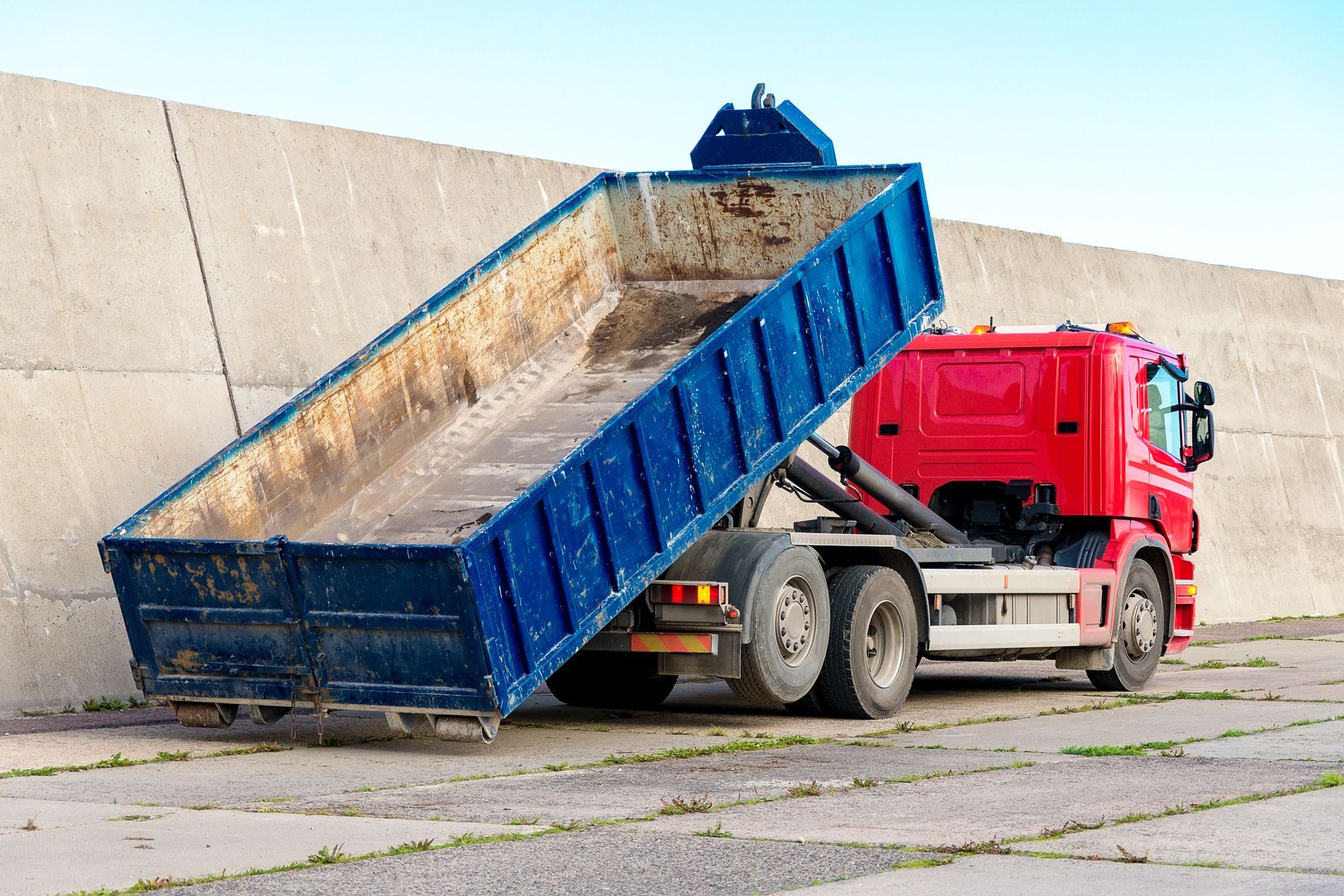
Demolition projects can generate substantial quantities of construction material in a short period. Roll-off boxes and other appropriate containers provide a way to collect debris as structures or materials are removed. Coordinating hauling with the project's pace can help prevent removed materials from accumulating unnecessarily around the site.
Manage Cleanup Projects
Dumpster and hauling services can also support house cleanups and other projects that involve removing unwanted materials. Depending on the project, debris may include household items, yard materials, remodeling debris, or construction waste. Selecting an appropriate construction dumpster based on the project's materials and volume can make the cleanup process more manageable.
Coordinate Commercial Work
Commercial projects can involve office cleanouts, warehouse updates, tenant turnovers, retail renovations, and other property improvements. Having a designated container available during the work provides a central location for discarded materials. Pickup can then be coordinated as the project progresses or when the container is full.
Keeping construction projects organized starts with selecting an appropriate container, coordinating timely pickup, and preparing materials properly for disposal or recycling. With options for different project types, materials, and load sizes, Debris Box can help simplify debris management for residential, commercial, construction, and demolition projects. Learn more about our dumpster rental, hauling, and recycling services to find an option that fits your project.


Share On: