
Things to Consider Before Scheduling Dumpster Rental Service
Scheduling a dumpster can make cleanup projects easier, safer, and more organized. Whether you are clearing out a home, managing a renovation, cleaning up yard debris, or preparing for a construction project, having a dedicated container gives you one central place for unwanted materials. Instead of making repeated trips to a disposal site or allowing debris to pile up around the property, a dumpster can help keep the work area more efficient from start to finish.
Before arranging a dumpster rental service, it is important to think through the details of your project. The size of the container, the type of debris, the rental period, placement, weight limits, and local rules can all affect the experience. Planning ahead can help you avoid delays, extra costs, and logistical problems. By understanding what to consider before scheduling, you can choose a rental option that fits your cleanup needs and supports a smoother project.
Choosing the Right Dumpster Size
One of the first things to consider is the size of the dumpster you need. A container that is too small may require additional pickups or a second rental, while a container that is too large may take up unnecessary space and cost more than needed. The right size depends on the type of project, the amount of debris, and the materials being discarded. Common projects such as garage cleanouts, bathroom remodels, landscaping jobs, and roofing work may all require different container sizes.
It can be helpful to estimate the volume of waste before scheduling. Large furniture, construction materials, branches, flooring, and drywall can fill space quickly. According to ConsumerAffairs, a 15-yard dumpster can hold 2,000 to 4,000 pounds. This shows why both volume and weight matter when selecting a container. A professional dumpster rental service can help you compare available sizes and choose an option that matches your project without creating unnecessary complications.
Identifying the Type of Debris
Not all debris can be handled the same way. Before scheduling, think carefully about what you plan to throw away. Household clutter, construction debris, yard waste, concrete, roofing materials, and furniture may each have different disposal requirements. Some materials may be accepted in a standard dumpster, while others may require special handling or may not be allowed at all. Knowing what you need to remove helps the rental company recommend the right solution.
Hazardous materials, chemicals, batteries, paint, fuel, and certain electronics are often restricted because they require safe disposal methods. Placing prohibited items in a dumpster can create safety concerns and may lead to additional fees. It is always best to ask in advance if you are unsure about a specific item. Being clear about your debris type helps protect workers, equipment, the environment, and your budget during the cleanup process.
Planning the Rental Timeline
The length of your project should guide the rental timeline. Some cleanouts may only take a day or two, while remodeling and construction projects may require a dumpster for a longer period. Before scheduling a dumpster rental service, consider when the work will begin, how quickly debris will be generated, and when the container should be removed. A well-planned timeline keeps the project moving without leaving debris on-site longer than necessary.
It is also wise to account for delays. Weather, contractor schedules, permit issues, or unexpected project changes can affect cleanup timing. If you schedule the dumpster too early, it may sit unused. If you schedule it too late, debris may pile up and slow progress. Choosing the right delivery and pickup dates helps improve efficiency and keeps your property cleaner throughout the project.
Selecting the Best Placement Area
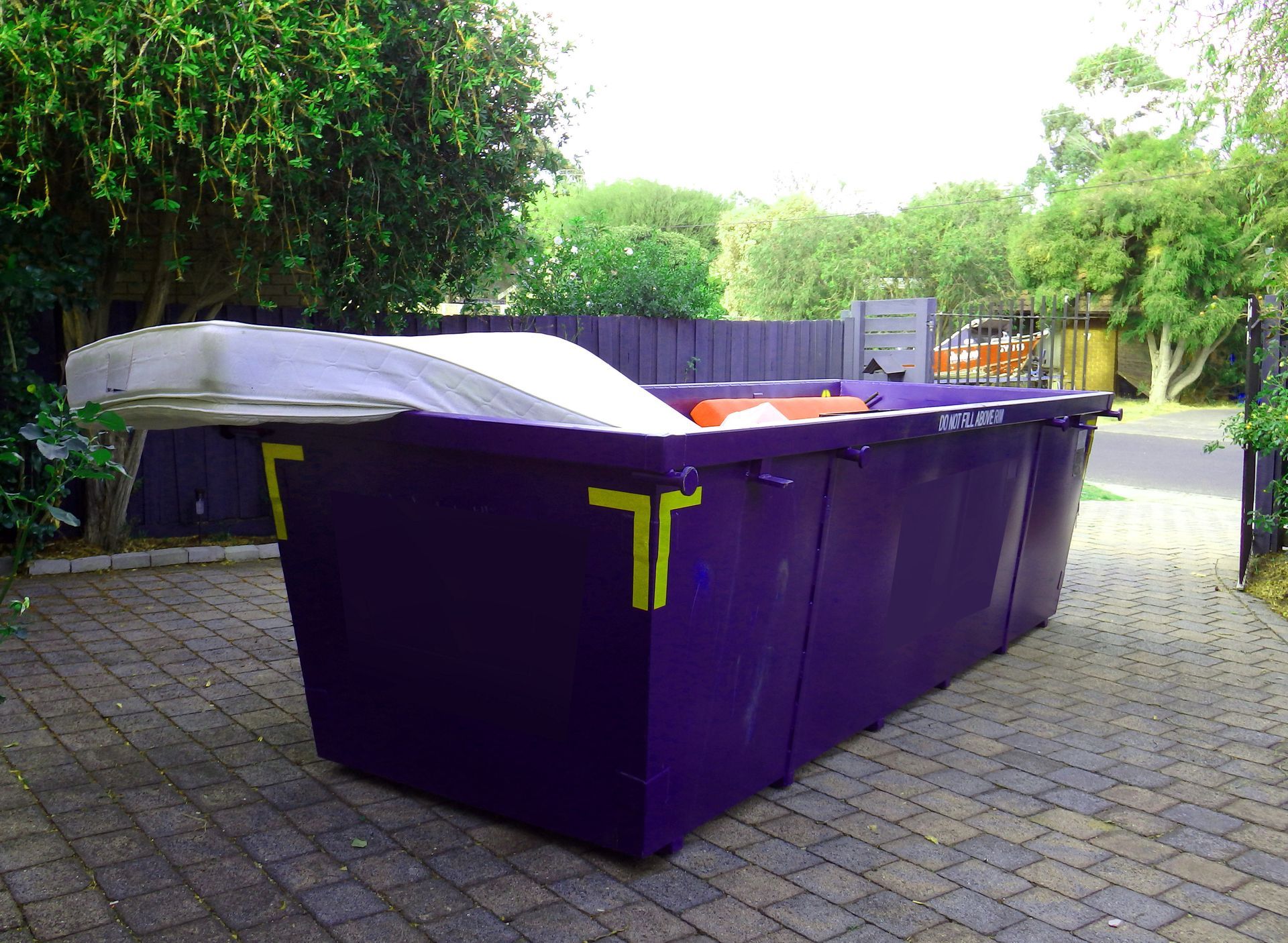
Dumpster placement is another important consideration. The container should be placed somewhere accessible for loading while also allowing delivery and pickup trucks enough room to maneuver. Driveways, parking areas, job sites, and flat open spaces are often preferred locations. The area should be firm, level, and free from low branches, wires, vehicles, or other obstructions that could interfere with placement.
Convenience matters as well. If the dumpster is too far from the work area, cleanup may take longer and require more effort. However, it should not block entrances, sidewalks, garages, or traffic flow. Thinking through placement before delivery can help prevent problems on the day the dumpster arrives. A reliable dumpster rental service can explain space requirements and help you prepare the area in advance.
Understanding Weight Limits
Every dumpster has weight limits, and exceeding them can create safety concerns and additional costs. Heavy materials such as concrete, brick, soil, shingles, tile, and demolition debris can add weight quickly, even if the container does not look full. Before scheduling, consider whether your project involves dense materials that may require a smaller container, special instructions, or separate disposal arrangements.
Weight limits are important because trucks must safely lift and transport the container. Overloaded dumpsters can damage equipment, create hazards, or violate hauling regulations. To avoid problems, discuss the type and estimated amount of debris with the rental company before delivery. Understanding weight restrictions helps you plan the job properly and avoid surprises when the container is picked up.
Reviewing Local Rules and Permits
Depending on where the dumpster will be placed, you may need to consider local rules or permits. If the container will sit on private property, such as a driveway, the process may be simpler. However, if it must be placed on a public street, sidewalk, alley, or shared area, permits or approval may be required. Rules can vary by city, neighborhood, or property type.
Homeowners associations, apartment communities, and commercial properties may also have guidelines about dumpster placement, rental duration, or appearance. Checking these requirements before scheduling can help prevent fines or removal delays. A professional dumpster rental service may be able to explain common placement concerns, but property owners should still confirm any local or community rules that apply to their location.
Preparing the Property for Delivery
Before the dumpster arrives, the delivery area should be ready. Move vehicles, equipment, toys, outdoor furniture, or other items out of the way. Make sure the path to the placement area is clear and wide enough for the truck. If the dumpster will be placed on a driveway, consider whether surface protection may be needed to help reduce the risk of scratches or marks.
Preparation can prevent delays and make delivery easier. It can also help reduce confusion if someone else will be on-site when the dumpster arrives. Marking the desired placement area or providing clear instructions can help the driver position the container correctly. A little preparation before delivery can make the entire rental experience smoother and more efficient.
Comparing Service and Support
Not every rental experience is the same. When choosing a provider, consider how clearly the company explains pricing, scheduling, size options, prohibited items, weight limits, and pickup procedures. Good communication helps you understand what to expect and reduces the chance of unexpected issues. A helpful team can also answer questions and guide you toward the right container for your project.
Customer support is especially important if your project changes after the dumpster is delivered. You may need an early pickup, an extended rental period, or help deciding whether certain materials can be placed in the container. Choosing a dependable dumpster rental service gives you access to guidance when you need it and helps keep your cleanup project on track from start to finish.
Scheduling a dumpster is a practical way to manage debris, but the best results come from planning ahead. Before booking, consider the size you need, the type of debris involved, the project timeline, placement, weight limits, permits, property preparation, and the level of support offered by the rental company. These details can help you avoid delays, protect your property, and make cleanup more efficient. Whether you are handling a small cleanout or a larger renovation, the right dumpster rental service can simplify the process and help your project move forward with less stress. To schedule a container for your next cleanup project, contact Debris Box.


Share On: