
Construction Dumpster Rental Tips for Home Renovations
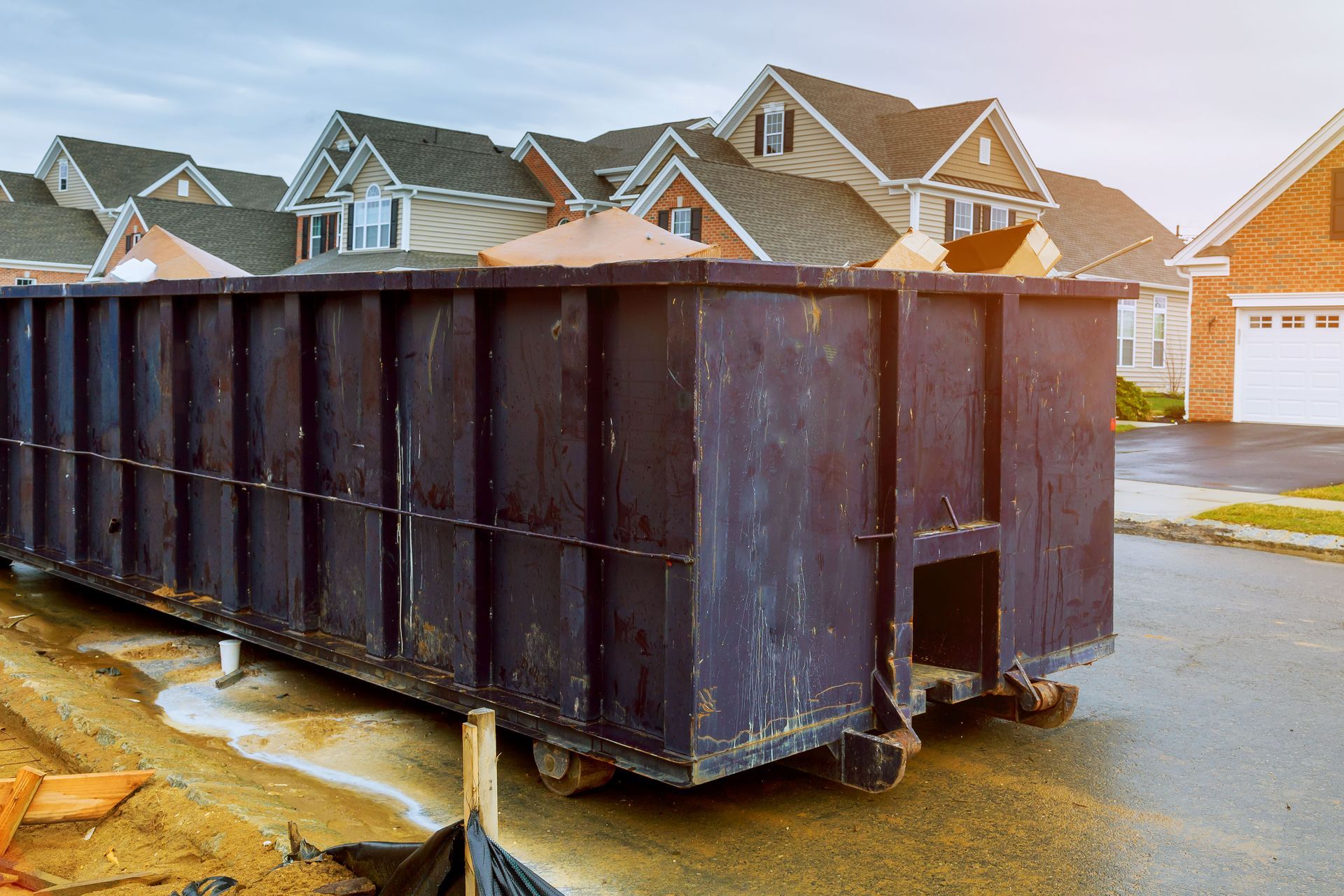
Home renovations bring excitement, creativity, and the opportunity to transform a living space, but they also generate a significant amount of debris that must be handled properly. From cabinetry and drywall to flooring materials and fixtures, waste can quickly accumulate and create cluttered, potentially hazardous conditions. Renting construction dumpsters is one of the most effective ways to manage debris, maintain a clean work area, and keep a project moving forward without unnecessary interruptions. A well-planned waste strategy helps homeowners stay organized while reducing risks tied to scattered materials and overfilled disposal areas.
Beyond convenience, proper waste handling plays a key role in staying on schedule and avoiding unexpected complications. Choosing the right rental approach, understanding disposal guidelines, and coordinating pickups can make a noticeable difference in both efficiency and cost. Whether tackling a small remodel or a full-scale renovation, knowing how to use construction dumpsters effectively allows homeowners to maintain control over their project while minimizing stress and keeping their property in good condition throughout the process.
Evaluating Waste Management Requirements
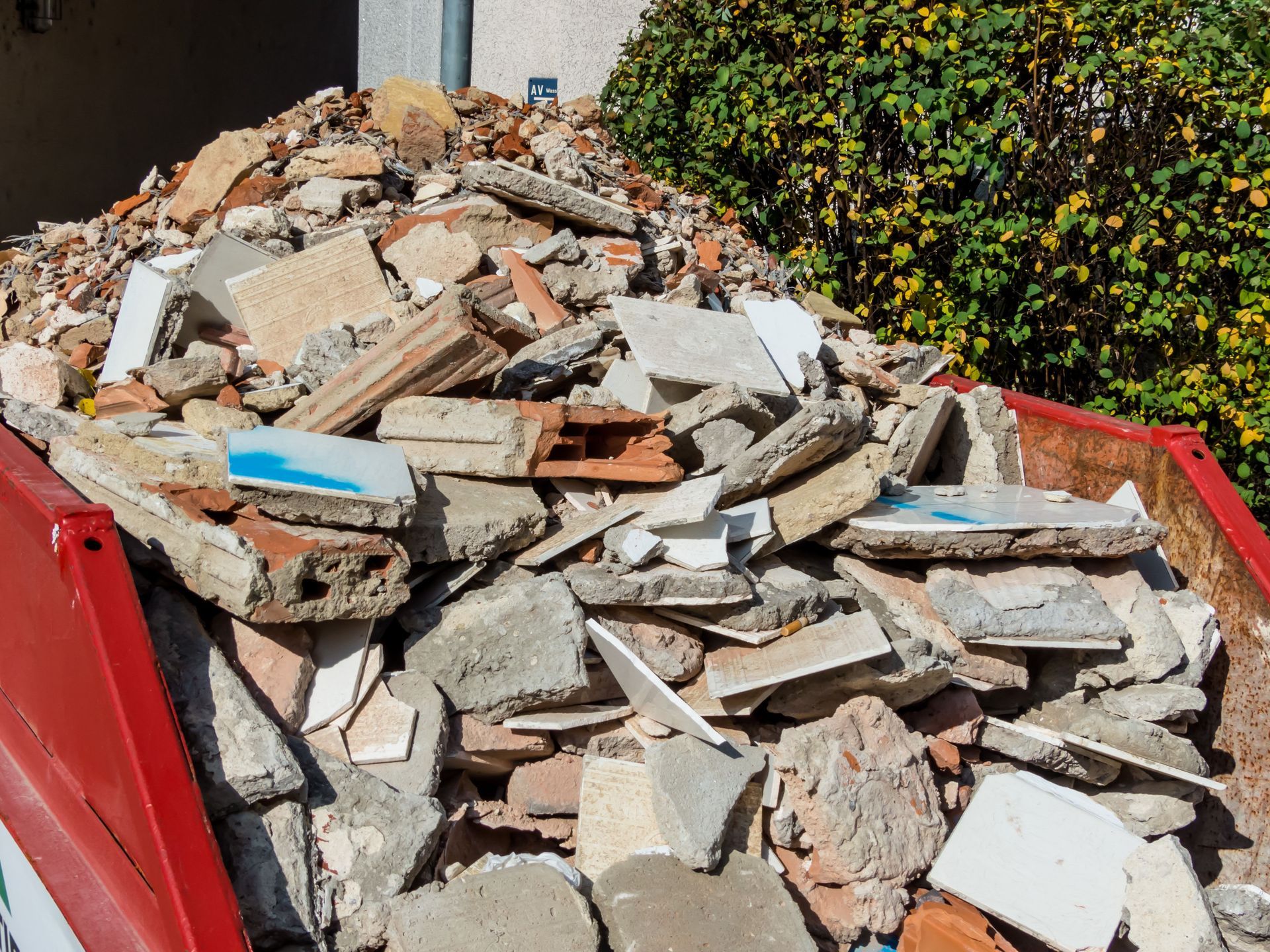
Planning for renovation waste begins with understanding the type and volume of debris a project will produce. Materials such as wood, drywall, tile, and concrete all take up space differently and may require specific disposal methods. Estimating how much waste will be generated helps determine the size and number of construction dumpsters needed. Without this step, homeowners risk ordering a container that is too small, leading to overflow, or too large, which can increase costs unnecessarily.
The scope of the renovation also plays a major role in shaping a waste management plan. A single-room upgrade tends to give off less trash than a whole-home remodel, and each phase of construction may generate different types of materials. Mapping out the project timeline alongside expected waste output helps align dumpster usage with key milestones. This approach keeps debris under control and prevents buildup that could slow progress or create safety concerns.
Local rules and property considerations must also be factored into planning. Some areas regulate where dumpsters can be placed and how long they may remain on-site. Checking these guidelines ahead of time helps avoid fines or delays. Consulting with a contractor can also provide helpful direction, as they often have experience estimating debris and coordinating rentals. Taking these steps creates a clear, organized approach to managing renovation waste from start to finish.
Choosing Appropriate Dumpster Sizes
Selecting the right dumpster size is essential for maintaining efficiency and controlling costs. Dumpsters typically come in a range of sizes, from smaller options suited for minor projects to larger containers designed for extensive renovations. Choosing the correct size depends on both the volume and type of debris expected. For example, heavier materials like concrete require careful planning to avoid exceeding weight limits, even if the container appears to have extra space.
Matching the container size to the renovation type helps prevent common issues such as overfilling or underutilization. A kitchen remodel may require a mid-sized option, while a full-home renovation often calls for larger construction dumpsters or multiple units over time. Proper sizing not only improves workflow but also helps maintain compliance with disposal regulations, which may restrict how high materials can be loaded.
Space and accessibility should also be considered when deciding on a dumpster. The placement area must allow for easy delivery and pickup while leaving enough room for workers to move materials safely. Driveways, yards, and nearby obstacles can all impact placement decisions. Taking the time to evaluate these factors helps create a setup that supports smooth operations throughout the renovation process.
Managing Rental Costs Effectively
Keeping costs under control requires a thoughtful approach to comparing rental options and understanding pricing structures. Different providers may offer varying rates based on container size, rental duration, and included services. Gathering multiple quotes allows homeowners to identify competitive pricing and select a solution that aligns with their budget and project needs.
Hidden fees can quickly increase overall expenses if they are not addressed up front. Charges related to weight overages, extended rental periods, or restricted materials should be clarified before finalizing an agreement. Asking detailed questions and reviewing contract terms carefully helps prevent unexpected costs and keeps financial planning on track.
Flexible rental periods can also make a difference in managing expenses. Some projects may benefit from shorter rental terms with scheduled pickups, while others may require longer durations to accommodate extended timelines. Coordinating these details in advance allows homeowners to use construction dumpsters efficiently without paying for unnecessary time. Thoughtful planning in this area helps maintain both budget control and project momentum.
Practicing Proper Waste Disposal Methods
Organizing waste before placing it in a dumpster can improve both efficiency and environmental impact. Separating recyclable materials from general debris allows for more responsible disposal and can reduce the overall volume sent to landfills. Items such as metal, wood, and certain plastics may be eligible for recycling, making sorting a valuable step in the process.
Avoiding prohibited materials is another important aspect of responsible disposal. Items like hazardous chemicals, electronics, and certain construction byproducts often require specialized handling. Understanding what can and cannot be placed in construction dumpsters helps prevent fines and keeps the project compliant with local guidelines. This awareness also protects the environment by directing harmful materials to appropriate facilities.
Maximizing space within the dumpster is equally important. Breaking down large items and placing debris strategically allows for better use of available capacity. Compacting materials where possible reduces the need for additional pickups and keeps the worksite cleaner. Coordinating regular pickups ensures that waste does not accumulate, maintaining a safe and organized environment throughout the renovation.
Addressing Legal and Safety Responsibilities
Handling renovation waste comes with legal and safety considerations that should not be overlooked. Some areas require permits for placing dumpsters on public property or in specific locations. Checking with local authorities before delivery helps avoid complications and keeps the project compliant with municipal requirements.
Safety on the job site is just as important as legal compliance. Keeping the area around the dumpster clear of obstacles reduces the risk of accidents and makes it easier to load debris. Marking the area or using barriers can help prevent unauthorized access, especially in residential neighborhoods where children or pets may be present.
Managing renovation debris effectively can make a significant difference in how smoothly a project unfolds. From planning waste removal strategies to selecting the right sizes and coordinating pickups, each step contributes to a more organized and efficient workflow. Using construction dumpsters allows homeowners to maintain a clean environment, reduce hazards, and stay focused on completing their renovation goals without unnecessary disruptions. According to Construction Coverage, 1.6 million homes were constructed in the U.S. in 2024. This level of activity highlights how common large-scale residential projects have become and underscores the growing importance of proper waste management in keeping these projects running efficiently.
Taking the time to plan, follow regulations, and adopt responsible disposal practices leads to better outcomes both during and after construction. A well-managed approach not only supports project timelines and budgets but also contributes to a safer and more sustainable environment. If you are preparing for a renovation, now is the time to explore your options at Debris Box and secure the right construction dumpsters to keep your project organized from start to finish.


Share On: