
How Dumpster Rentals Simplify Construction and Renovation Projects
In the world of construction and renovation, managing waste efficiently is crucial. Dumpster rentals have emerged as a convenient solution that simplifies these projects, ensuring both cost-effectiveness and environmental responsibility. Here are various ways in which construction dumpster rentals facilitate smoother construction and renovation processes, along with the advantages they offer to contractors, project managers, and homeowners alike.
Understanding the Necessity of Waste
Management in Construction and Renovation
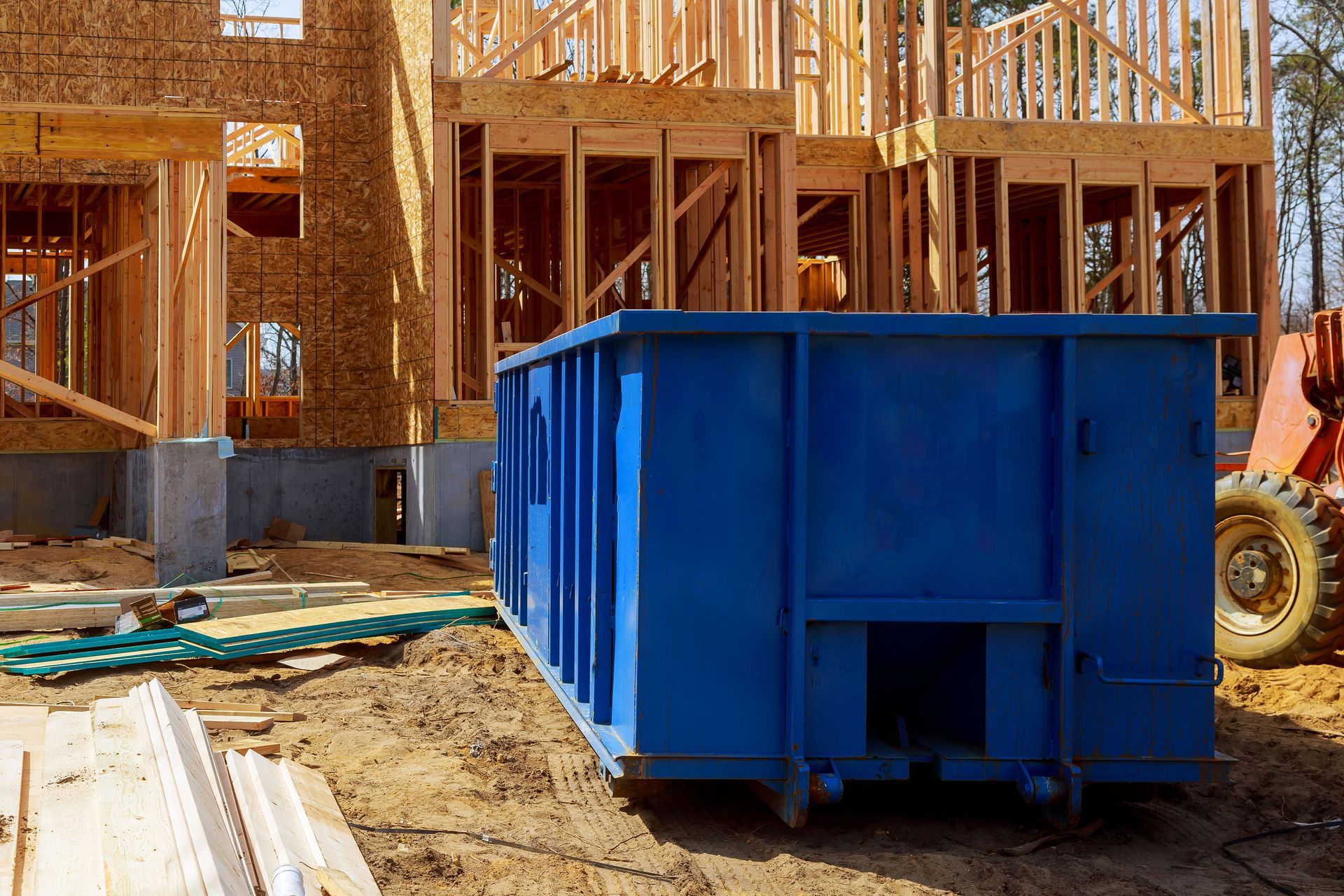
In construction and renovation projects, managing the immense volume of waste generated is critical. The sheer quantity of debris can quickly overwhelm a site, affecting workflow and safety. Without an effective plan for waste management, contractors face numerous challenges, from operational delays to increased costs. Dumpster rentals provide a centralized location for waste, reducing clutter and improving worksite efficiency. With easily accessible waste disposal options, construction teams can maintain momentum and focus on project tasks.
Compliance with environmental regulations is paramount in modern construction practices. Regulations governing waste management are becoming increasingly stringent, necessitating proper disposal methods. Improper waste disposal not only risks hefty fines but can also damage an organization's reputation. Construction dumpster rentals assist contractors in meeting these legal requirements, offering solutions that ensure waste is sorted, stored, and disposed of responsibly. By adhering to these standards, projects can operate with confidence and integrity.
The repercussions of improper waste handling go beyond regulatory compliance. Environmentally, construction debris can significantly impact local ecosystems if not managed correctly. Economically, excessive waste contributes to higher project costs due to extended timelines and increased labor needs. Efficient dumpster usage helps mitigate these impacts by promoting organized waste collection and removal. Furthermore, streamlined waste management can help keep project budgets under control by minimizing unnecessary expenses.
Advantages of Using Dumpster Rentals
One of the primary strengths of dumpster rentals is the enhancement of project efficiency and productivity. By having a dedicated container for debris, workers minimize the downtime spent on manually handling waste. This organized approach allows teams to focus more on their tasks rather than worrying about scattering debris. Additionally, the strategic placement of dumpsters prevents bottlenecks and obstructions at the project site. This seamless integration of waste management fosters a productive construction environment.
Cost savings and budget management are two major advantages of utilizing construction dumpster rentals. Renting a dumpster is often more economical than repeatedly transporting waste to and from a landfill. This cost-effectiveness is amplified by the broad range of sizes and capacities available, allowing projects to select the appropriate dumpster for their needs. For instance, according to ConsumerAffairs, a 15-yard dumpster can accommodate up to 4,000 pounds, accommodating various types of construction debris. Opting for a suitable dumpster size ensures that resources are efficiently allocated.
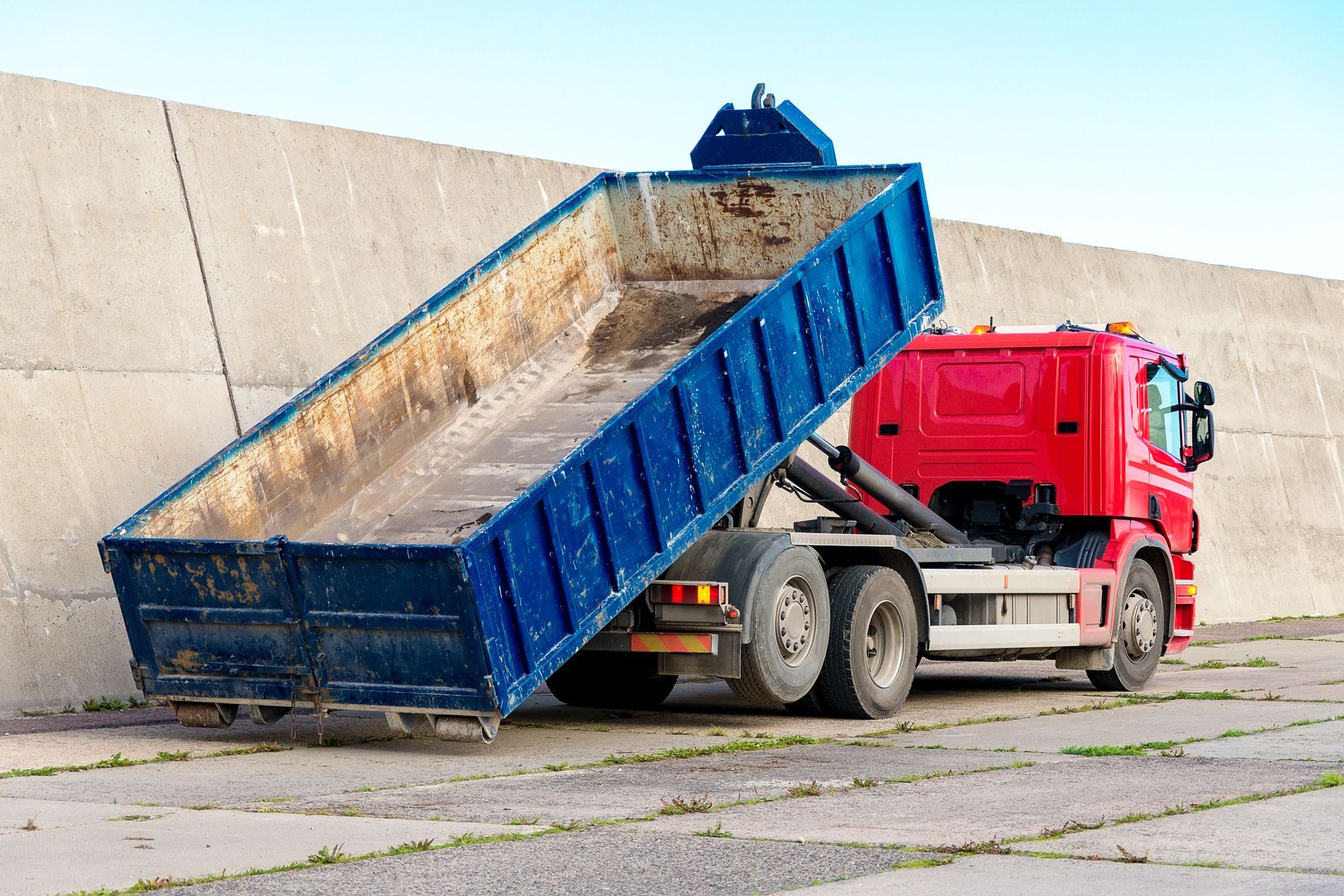
Flexibility is another cornerstone benefit of dumpster rentals, as they offer versatility in scheduling and usage. Projects can coordinate rental periods with their timelines, ensuring construction dumpsters are available precisely when needed. This flexibility extends to the wide array of dumpster types available, catering to diverse waste management requirements. With options ranging from small roll-off containers to multi-ton commercial dumpsters, construction site managers can tailor their waste management solutions. Such adaptability is crucial for accommodating the dynamic nature of construction and renovation ventures.
Choosing the Right Dumpster Rental Service
Selecting the appropriate dumpster rental service requires careful assessment of several factors. To begin, evaluating the dumpster sizes and capacities is essential to ensure the rental meets the project's waste volume needs. It's important to remember that choosing an incorrectly sized dumpster can lead to haulage issues or unnecessary costs. Proper evaluation prevents logistical hiccups and keeps projects running smoothly.
Cost considerations play a significant role in selecting a dumpster rental service. Comparing different providers and their pricing models helps in identifying the most budget-friendly option. It's crucial to understand whether costs are all-inclusive or if there are additional fees for factors such as overage, weight limits, or extended rental periods. A comprehensive analysis of costs ensures transparency and aligns with budgetary requirements. This financial foresight is instrumental in avoiding unexpected expenses during the project.
Reputation and reviews of the rental provider are significant determinants of their reliability and quality of service. Researching past client experiences provides insights into the company's performance and customer service standards. Additionally, it's vital to gain a clear understanding of contract terms and conditions to prevent conflicts or misunderstandings. Finally, ensuring that the provider complies with local waste management regulations is critical for maintaining legal and environmental standards. A well-researched choice leads to smooth project execution and peace of mind.
Logistics and Coordination of Dumpster Deliveries
Effective logistic planning is paramount for the successful coordination of construction dumpster deliveries and usage. Site accessibility and proper placement are crucial elements to consider, as dumpsters need to be located in a spot that is both convenient for workers and compliant with safety regulations. Poor placement can hinder material transport and pose safety hazards. Mapping out an appropriate location involves collaborating with site managers to mark zones free of overhead wires or underground utilities. Thoughtful placement reinforces safe and productive work environments.
Dumpster logistics closely align with construction project timelines to optimize waste removal efficiency. Coordination between construction managers and dumpster providers ensures timely deliveries and removals that match project phases. For example, during demolition, larger dumpsters may be required, compared to those needed during the finishing stages. The involvement of dumpster providers during the project's planning stages leads to synchronized movements that complement the workflow seamlessly. This synergy prevents delays and facilitates orderly waste management practices.
Urban and rural project sites present unique challenges when receiving and managing construction dumpster deliveries. In urban settings, constraints such as limited space and traffic congestion necessitate strategic planning to avoid disturbances. Conversely, rural areas might encounter difficulties related to road infrastructure and accessibility. Solving these challenges involves engaging with local authorities or logistics experts to navigate potential impediments. Effective coordination mitigates disruptions and enhances project execution in both types of locations.
Optimizing Waste Sorting and Recycling
Effective waste sorting and recycling are integral components of sustainable construction practices. Identifying recyclable materials is the first step towards minimizing environmental impact. Materials such as metals, plastics, and certain wood products can be diverted from landfills when sorted and recycled appropriately. Implementation of dedicated bins and clear signage aids in differentiation between waste types. By prioritizing recycling protocols, construction teams contribute positively to local and global environmental goals.
Effective on-site sorting methods further optimize recycling efforts. Establishing clear procedures for waste segregation ensures consistent recycling practices throughout the project's duration. Training staff on these protocols increases adherence and reduces contamination of recyclable materials. Additionally, organizing regular audits and feedback sessions promotes continuous improvement of sorting processes. These proactive measures foster an overarching culture of environmental responsibility within the construction team.
Partnerships with local recycling facilities serve as a keystone in optimizing construction site waste management. Engaging with reliable facilities provides access to specialized services tailored to construction waste. Furthermore, these partnerships offer insights into advances in recycling technology and methods that can be integrated into project operations. Educating staff on these innovations ensures that recycling goals are met consistently and efficiently. Tracking recycling outcomes through robust reporting systems solidifies the commitment to sustainability and accountability.
Dumpster rentals have profoundly transformed the way construction and renovation projects handle waste management. By offering practical solutions for efficient waste disposal, they not only ensure regulatory compliance but also foster sustainable practices within the industry. As more project managers and homeowners recognize the benefits of dumpster rentals, they become an integral part of modern construction strategies. With continued innovation and attention to environmental responsibility, dumpster rentals will remain a vital component in the landscape of construction and renovation waste management, so call Debris Box today to get started.


Share On: