
How Roll Off Containers Help Keep Worksites Safe and Compliant
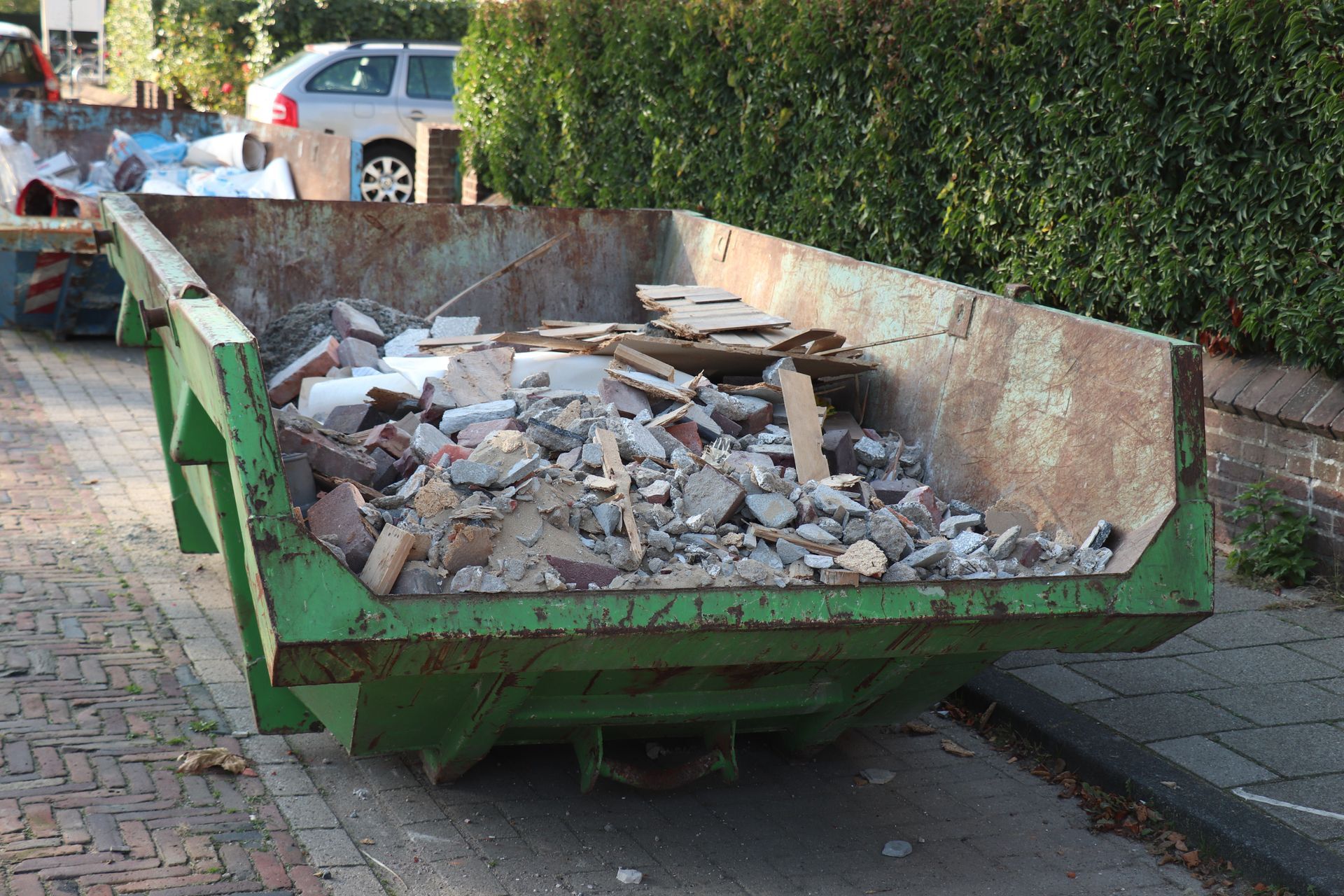
Roll off containers are crucial assets in the realm of construction and renovation, playing a significant role in maintaining safe and regulation-compliant worksites. With a growing emphasis on safety standards and environmental sustainability, these containers provide a robust solution for waste management challenges commonly faced on worksites. Their intelligent design and versatility make them indispensable for organizing projects efficiently while limiting environmental impact, creating a strong foundation for improved safety and compliance across industries.
In the contemporary construction and renovation landscape, projects face intensive scrutiny concerning their safety and environmental practices. Utilizing these receptacles provides a pragmatic approach to organizing waste, ensuring that hazardous materials are controlled and moved swiftly. Their utilization mitigates the risk of accidents and injuries on-site while fulfilling legal obligations to adhere to waste disposal regulations, significantly enhancing the overall health parameters of any work environment.
As industries evolve, so do the complexities surrounding waste management on worksites. The incorporation of roll off containers effectively addresses these complexities by offering a tailored waste management solution that boosts overall productivity while maintaining strict compliance. According to Waste Dive, local dumpster rental companies serve more than 70% of small to mid-sized construction and renovation projects nationwide.
1. Enhancing Worksite Organization and Safety
Maintaining cleanliness on worksites is a fundamental aspect of safety, as clutter and debris present significant operational hazards. Roll off containers provide a structured, immediate solution to prevent such risks by offering ample waste disposal capacity right where it is needed most. Workers are actively encouraged to dispose of waste materials regularly, keeping the worksite orderly, clear, and greatly reducing slip, trip, and fall hazards. As debris is continuously consolidated, pathways remain clear for workers, foot traffic, and heavy equipment to navigate freely, minimizing accident risks and promoting a disciplined work environment across all trades.
Providing designated disposal areas on a worksite is equally crucial in preventing material overflow, which can quickly lead to hazardous conditions and unexpected project delays. Roll off containers serve as reliable, scalable disposal points that easily accommodate substantial volumes of construction waste. By ensuring waste is neatly contained at all times, projects successfully avoid physical injury risks, equipment damage, and environmental contamination, maintaining smooth operational efficiency without sudden workflow interruptions or regulatory penalties.
Strategic placement of roll off containers across a worksite minimizes unnecessary on-site travel and optimizes valuable worker energy. Decreasing the total distance workers must cover to dispose of scrap materials allows teams to focus their primary efforts on critical construction tasks while significantly reducing physical strain and fatigue. Furthermore, rapid debris removal through these specialized units helps manage sharp or dangerous materials safely, securing hazardous items immediately and reinforcing a proactive, safety-first jobsite culture.
2. Supporting Environmental Compliance
Effective segregation of waste is critical for meeting modern environmental compliance standards, and roll off containers provide an ideal framework for source sorting on active job sites. By categorizing waste into recyclable materials, non-recyclable items, and hazardous waste streams, projects can seamlessly align with strict local and federal recycling regulations. Clearly marked receptacles simplify daily disposal for site workers, systematically reducing landfill contributions and tracking overall environmental metrics with greater accuracy and efficiency.
Proper management of hazardous waste requires secure, specialized containment options to effectively mitigate potential environmental threats. Roll off containers designed specifically for hazardous material storage offer companies a legal and compliant framework to store dangerous substances safely before professional transport off-site. Utilizing designated receptacles ensures hazardous materials are handled according to strict regulatory guidelines, effectively protecting local soil ecosystems and surrounding water tables from accidental chemical contamination.
Beyond daily containment routines, roll off containers assist in drastically reducing site pollution and streamlining complex waste audits. By containing dusty or loose debris securely before off-site removal, these sturdy units prevent pollutants from escaping into other areas. Additionally, organized waste collection simplifies tracking, data logging, and documentation, providing clear evidence of regulatory adherence during environmental inspections and showcasing an organization's deep commitment to sustainable practices.
3. Streamlining Project Efficiency
Efficient waste management directly reduces project downtime by completely eliminating delays associated with physical debris accumulation. Having dedicated roll off containers on-site allows continuous, uninterrupted workflow, as workers can rapidly clear work zones without waiting for temporary haulers or off-site disposal trips. This seamless removal process prevents costly labor bottlenecks, ensuring specialized trades can transition between distinct project phases without encountering physical obstacles or safety hazards.
Optimizing available space on tight or urban construction sites requires strategic equipment choices and efficient layout planning. Large-capacity roll off containers centralize site debris storage into a neat, compact footprint, freeing up vital staging areas for heavy machinery, raw building materials, and worker movement. This spatial organization prevents site congestion, allowing jobsite logistics, delivery trucks, and sub-contractor operations to proceed smoothly and on schedule throughout the day.
Time saved on site cleanup and waste handling directly translates into substantial labor cost savings and higher overall operational margins for contractors. By streamlining waste management logistics through scheduled container drop-offs and timely pickups, project managers can reallocate precious labor resources toward core construction tasks. The predictable structure of utilizing roll off containers allows for accurate project budgeting, scheduling, and timeline forecasting.
4. Lowering Overall Operational Costs
Consolidating all site waste into large, heavy-duty roll off containers reduces the total frequency of haul-away trips required throughout a project's lifespan. Fewer trips directly translate to reduced fuel consumption, lower transport fees, and decreased wear and tear on primary company vehicles. Managing waste in bulk offers significant economies of scale compared to smaller, fragmented disposal methods or frequent trips to local dumps.
Improper waste disposal often leads to severe regulatory fines, sudden project shutdowns, and costly legal liabilities. By utilizing compliant roll off containers, companies avoid expensive penalties associated with improper debris containment, storm drain runoff, or illegal dumping. This proactive risk management strategy protects the project's bottom line and preserves vital working capital for ongoing construction operations.
Proper waste sorting enabled by on-site roll off containers can unlock significant economic value through material recycling and salvage programs. Separating clean lumber, structural steel, copper wiring, and concrete allows contractors to sell scrap or receive lower tipping fees at local recycling centers. Efficient waste management effectively converts a traditional operational expense into a valuable cost recovery opportunity for the project budget.
5. Promoting Long-Term Sustainability
Incorporating structured waste management systems fosters a strong organizational culture centered on long-term sustainability and environmental stewardship. When worksites utilize designated roll off containers, crews naturally adopt disciplined waste disposal habits that persist across future projects. This visible commitment to green building practices enhances company brand reputation, boosts public relations, and strengthens trust with clients, investors, and regulatory agencies.
Sustainable worksites contribute directly to global circular economy principles by diverting reusable construction and demolition materials away from local landfills. Roll off containers facilitate the systematic collection of recoverable resources, ensuring valuable items like scrap metal, clean cardboard, and crushed masonry are directed straight to specialized processing facilities. This active resource recovery reduces the overall demand for virgin raw materials in future manufacturing processes.
Demonstrating environmental leadership through responsible waste practices opens doors to modern green building certifications, such as LEED credentials and local environmental excellence awards. Effective waste tracking via container services provides the detailed documentation needed to verify material diversion rates required for these prestigious designations. Embracing sustainable practices positions forward-thinking construction firms competitively in an increasingly eco-conscious and highly regulated market.
Roll off containers are fundamental tools for maintaining safety, regulatory compliance, and high operational efficiency across all types of construction and renovation projects. By organizing debris, protecting workers from hazards, supporting environmental compliance, and streamlining daily workflow, these versatile units deliver measurable value to every project stage. For more information about the services that we offer, reach out to our incredible team at Debris Box today!


Share On: