
Key Insights on Residential and Construction Recycling in the US
Recycling in the United States serves as a pivotal component of sustainable waste management, offering significant benefits ranging from environmental preservation to economic stimulation. As landfills continue to reach capacity, the necessity for effective recycling practices becomes even more pronounced. Through recycling, communities are able to reduce landfill use, conserve natural resources, and contribute to a healthier environment. Residential and construction recycling also play vital roles in diverting materials from landfills and supporting sustainable development.
Overview of Recycling Practices in the US
Current Trends in Residential Recycling
Today, residential recycling has become a commonplace aspect of daily life for many Americans. Trends indicate a growing emphasis on single-stream recycling, which simplifies the sorting process for consumers but poses challenges in terms of contamination. According to RTS, each American still generates 4.9 pounds of waste a day on average, and this figure is increasing yearly, underscoring the need for enhanced recycling measures.
Construction and Demolition Recycling Trends
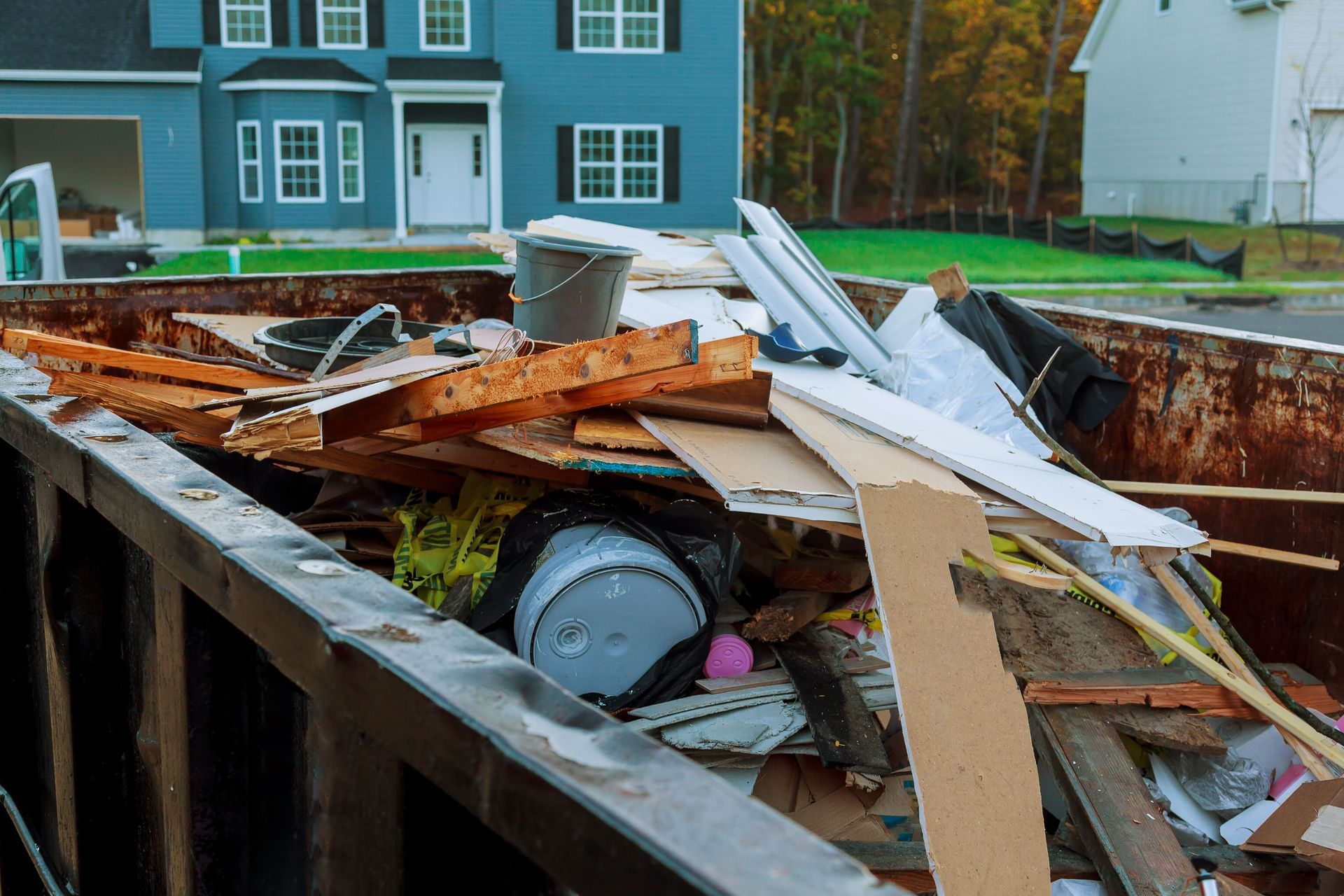
The construction and demolition sectors represent a significant portion of the waste generated in the US, but they also offer substantial opportunities for recycling. Common recyclable materials in waste include concrete, wood, metals, and asphalt, each of which can be diverted from landfills through effective recycling processes. Construction recycling initiatives are becoming more widespread, highlighting the industry's commitment to sustainability. The industry has seen a rise in the use of green building practices, which promote the reuse and recycling of materials to achieve sustainability certification. As of recent, there has been a growing emphasis on deconstruction rather than traditional demolition, allowing for the careful dismantling of buildings to rescue viable materials. These trends are encouraging as they highlight a shift towards more sustainable construction practices. Integrating recycling programs helps both the environment and the economy by creating reusable material streams.
Regional Variations
Recycling practices in the United States are not uniform, with notable variations existing across different regions. Coastal cities often report higher recycling rates due to stringent regulations, greater environmental awareness, and better infrastructure. In contrast, many rural areas face challenges due to less access to recycling facilities and programs, affecting overall participation. Economic factors, such as local industry composition and waste management costs, also influence regional recycling success. Recycling initiatives tend to be more prevalent in urban areas where demand for sustainable building practices is higher.
Environmental Impact of Recycling
Resource Conservation
At its core, recycling is a powerful tool for resource conservation, allowing us to extend the lifecycle of materials and reduce the need for raw extraction. By recycling paper products, the demand for new timber is decreased, thus preserving forests. Similarly, recycling metals saves energy and reduces the necessity for intensive mining operations. Each ton of recycled materials represents a substantial saving in terms of water, energy, and raw materials needed for the production of new goods. As resources become scarcer, the role of recycling in conserving natural resources continues to gain importance. Construction recycling specifically helps conserve natural resources by reusing materials that would otherwise be discarded during building projects.
Energy Savings
Recycling significantly contributes to energy savings, presenting a more efficient alternative to traditional waste management and new production processes. This pattern of energy efficiency is consistent across a variety of recycled materials such as glass, paper, and plastics. These energy savings not only lower production costs but also decrease the carbon footprint associated with manufacturing. Thus, recycling offers a dual benefit of conservation and efficiency.
Reduction of Landfill Use
One of the most immediate environmental impacts of recycling is the reduction of landfill use. Landfills are not only finite but also contribute to various environmental issues, including soil and water contamination and the release of methane, a potent greenhouse gas. Recycling helps mitigate these issues by diverting materials that would otherwise end up in landfills. With effective recycling, the lifespan of existing landfill sites is extended while the search for new sites is reduced. As landfill space becomes increasingly scarce, recycling stands out as a vital practice for waste management sustainability. Construction recycling, in particular, significantly reduces the volume of construction debris that reaches landfills.
Pollution Prevention
Through recycling, pollution prevention is achievable, as it helps to curb air and water contamination typically associated with waste management. The recycling process reduces the need for conventional waste disposal methods, such as incineration and landfill usage, both of which can release harmful by-products into the environment. Additionally, recycling reduces the emissions of toxic chemicals during the production phase; for instance, recycling plastics can cut air pollution by 86% compared to producing new plastics. Therefore, recycling plays a pivotal role in reducing both the local and global environmental footprint.
Impact on Greenhouse Gas Emissions
Recycling is an effective strategy for reducing greenhouse gas emissions, indirectly influencing climate change mitigation efforts. By decreasing the energy required to produce goods from raw materials, recycling reduces carbon dioxide and other greenhouse gases emitted during production. Studies have found that by recycling, emissions comparable to removing millions of cars from the roads annually are avoided. Additionally, recycling helps maintain carbon capture ecosystems, like forests, by reducing the need for raw resource extraction. The continued promotion and expansion of recycling could thus play a crucial role in achieving national and global emissions targets.
Future of Recycling in the US
Technological Innovations
The future of recycling in the United States is closely tied to technological advancements that promise to enhance efficiency and expand capabilities. Developments in automation and robotics are revolutionizing material sorting processes, reducing the reliance on manual labor and increasing accuracy. Success in chemical recycling could open new pathways for complex materials that are currently difficult to recycle, such as certain plastics and textiles. These advances not only optimize existing processes but also create opportunities for new industries within the recycling sector. Construction recycling technologies are also evolving, providing new methods for reusing materials from demolished or renovated buildings. Continuous investment in research and development is essential for realizing the transformative potential of these technologies.
Consumer Trends
The future of recycling will also be influenced by shifting consumer trends towards sustainability and environmental consciousness. Market analysis suggests that consumers are increasingly prioritizing products and services that demonstrate strong environmental credentials. This shift is likely to drive demand for recyclable materials and sustainable product design, further integrating recycling into everyday life. Businesses that align with these trends by adopting sustainable practices and transparent marketing will likely achieve a competitive advantage. As consumer preferences continue to evolve, the intersection of market demand and environmental responsibility will redefine recycling dynamics.
Sustainability Goals
The integration of recycling into broader sustainability goals promises to unlock its full potential as a driver of environmental, economic, and social progress. Recycling is situated at the nexus of various sustainability initiatives, from reducing carbon emissions to preserving biodiversity. The alignment of recycling practices with targets such as the Circular Economy and the United Nations' Sustainable Development Goals will bolster comprehensive sustainability efforts. Acknowledging the systemic role of recycling will prompt a paradigm shift, viewing it as crucial to achieving long-term sustainability objectives. As these synergies develop, construction recycling will continue to play a significant role in achieving industry-specific and national sustainability targets.
By embracing both residential and construction recycling, communities and businesses alike can significantly reduce waste, conserve natural resources, and lower greenhouse gas emissions, contributing to a healthier planet for future generations. Integrating construction recycling into broader sustainability initiatives not only diverts valuable materials from landfills but also supports innovative reuse practices and encourages responsible building methods. This comprehensive approach ensures that both residential and commercial sectors are actively participating in creating a greener, more sustainable future. For more information about residential or construction recycling and how you can implement effective recycling strategies, contact Debris Box. Our team is ready to help you make a meaningful impact on your community and the environment.


Share On: