
Signs You Need a Dumpster Rental Instead of a Junk Removal Service
In the battle of clutter management, knowing when to choose a dumpster rental over a junk removal service saves time, money, and stress. As projects escalate in size and complexity, the right choice depends on several factors that require a structured approach. Key signs indicate when renting a dedicated container is far more suitable for your needs. Understanding these elements helps you make an informed decision, ultimately streamlining your project and mitigating unnecessary costs. For substantial, ongoing, or complex projects, having an on-site disposal unit often emerges as the clear choice, maximizing overall efficiency and convenience while keeping your workspace organized.
Managing High-Volume Waste
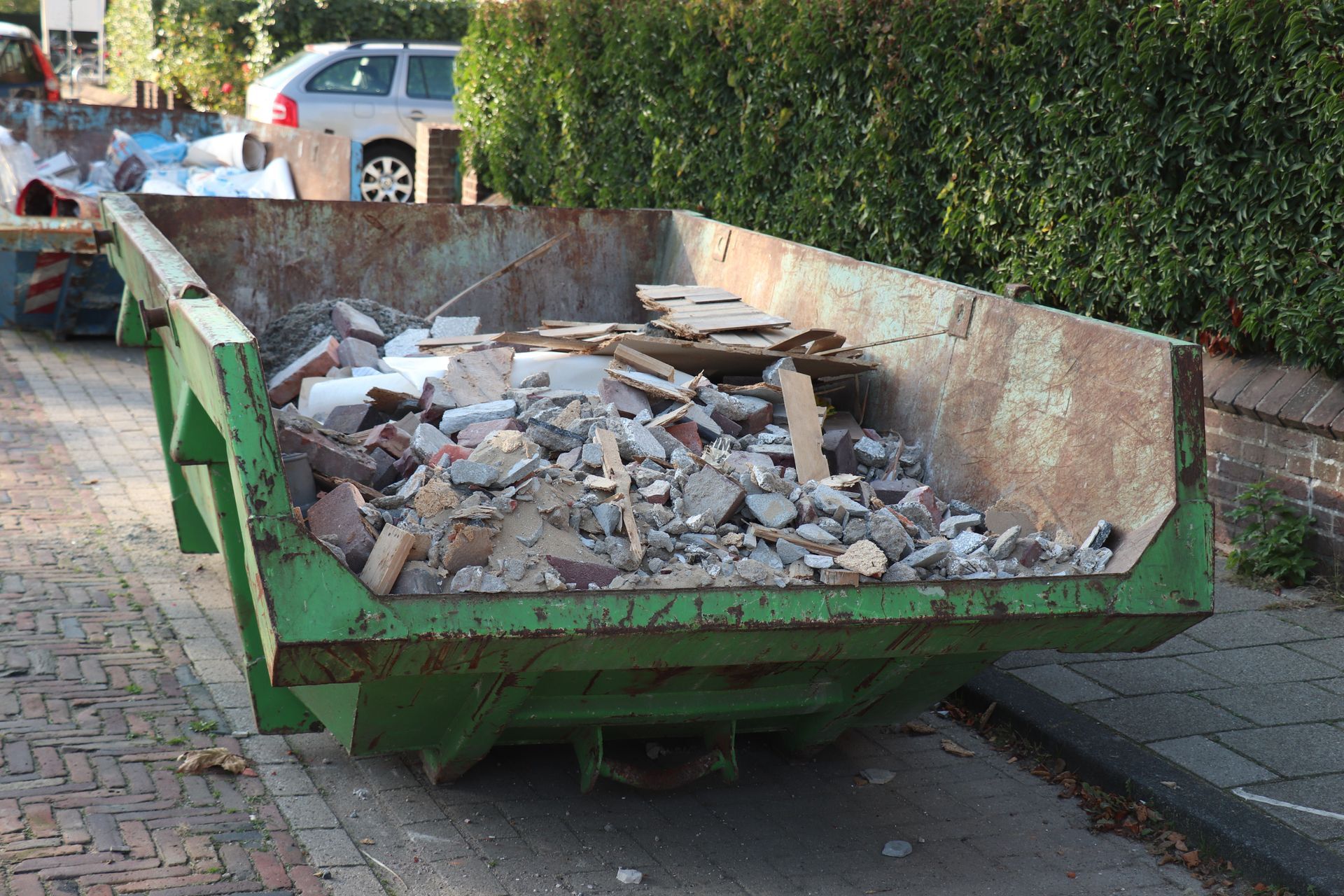
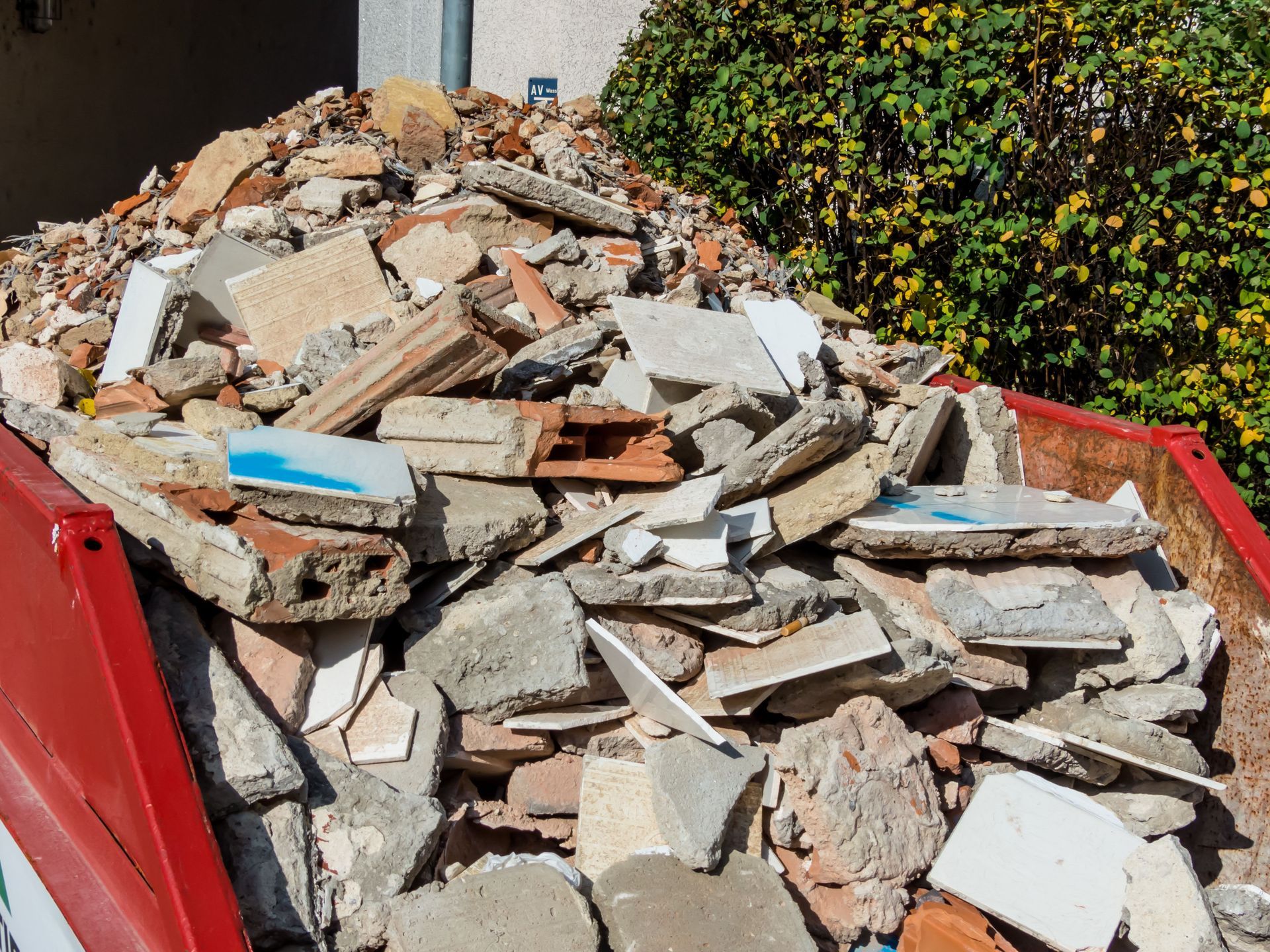
One of the most significant indicators that you need a dumpster rental is the sheer volume of waste generated. For projects producing massive amounts of debris, rental containers provide an ideal solution because they easily accommodate large quantities. The alternative, junk removal services, often involves multiple visits that quickly become inefficient and expensive. According to ConsumerAffairs, a 15-yard dumpster can hold 2,000 to 4,000 pounds. If your home renovation or site cleanout results in mountains of refuse, utilizing a temporary roll-off container is far more advantageous than attempting to coordinate a series of scheduled pick-ups.
Properly evaluating the amount of waste your project will produce remains crucial when selecting a disposal service. Standard volume calculation methods can provide a rough estimate, while professionals offer precise evaluations based on your scope of work. Knowing your expected volume guides you in selecting the appropriate dumpster size rather than relying on hunches. Furthermore, construction debris, yard waste, and heavy materials frequently exceed what typical haulers can handle in a single trip. Having an accessible unit on-site allows you to manage diverse waste materials continuously throughout the project lifecycle without causing bottlenecks.
Evaluating Project Costs
A major reason to select a dumpster rental over traditional hauling services is overall cost-effectiveness. Junk removal services accumulate significant charges with multiple trips, especially when handling continuous waste production. In contrast, securing a roll-off unit for the duration of an entire project offers a predictable flat fee. By eliminating surcharges for extra visits, you can manage your budget without unexpected financial surprises. When a comprehensive cost analysis shows significant savings for heavy or long-term waste generation, renting a dedicated container makes total financial sense.
Both hauling services and container rentals come with specific fee structures, but hidden costs can unexpectedly inflate overall expenses. Junk removal frequently involves itemized labor fees or extra fees for specific material types and weight thresholds. Roll-off containers present a straightforward pricing model that makes it simple to maintain a clear budget. Furthermore, long-term rentals offer flexibility as project scopes evolve, allowing you to adjust collection schedules without incurring severe penalties. Managing your budget with predictable rental rates safeguards your project against unexpected financial strain.
Understanding labor dynamics also plays a crucial role in overall cost calculations. When hiring a full-service hauling crew, you pay for their manual labor time alongside disposal fees. If your own team or family members are capable of loading materials as work progresses, paying extra for labor becomes redundant. Utilizing a roll-off container empowers you to load items progressively during downtime or natural work breaks. This self-paced loading model eliminates expensive rush fees, labor markups, and rigid timeline constraints, maximizing the absolute value of every dollar spent on project logistics.
Addressing Structural Requirements
Construction and renovation projects generate extensive waste in variable forms, including concrete, drywall, and heavy lumber. Managing these dense materials requires robust containment solutions designed to endure rough, heavy content. Renting a container provides the necessary capacity and structural durability for ongoing construction tasks, simplifying daily site cleanup. Similarly, large landscaping overhauls generate substantial organic debris that quickly overwhelms standard pickup services. Having a dedicated unit on-site handles large volumes of garden waste seamlessly, keeping your property clear and safe throughout the transformation.
Large cleanouts, such as clearing out entire estates, offices, or multi-room residences, accumulate massive amounts of unwanted items rapidly. Renting a dumpster streamlines the entire cleanout process, allowing you to sort belongings and discard refuse at your own pace. This approach keeps your property organized, minimizes daily operational disruptions, and removes the time pressure associated with windowed pickup appointments. Whether managing residential clearing or commercial venue cleanups, dedicated containment offers an efficient and stress-free solution for large-scale waste management.
Furthermore, commercial enterprises and multi-phase developments encounter unique structural demands that require customized waste management strategies. Commercial sites often produce mixed industrial packaging, bulky fixtures, and structural tear-outs simultaneously. Having a dedicated unit capable of supporting heavy distributions prevents operational stalls. By establishing a dedicated waste disposal zone on property, project managers maintain clean sightlines, protect newly installed finishes from surrounding clutter, and streamline overall site logistics for subcontractors and workers operating on tight deadlines.
Navigating Permitting Rules
Waste management requires strict adherence to municipal regulations, including local permit acquisition. Understanding when a roll-off container requires a street permit ensures your project remains fully compliant with city ordinances. Recognizing these legal requirements early streamlines the drop-off process and prevents costly regulatory hurdles. Working with an experienced rental provider helps you navigate local placement laws, ensuring containers are situated legally on driveways or public streets. Proper legal preparation allows you to focus on your primary project tasks without facing unexpected municipal delays.
Non-compliance with local disposal guidelines carries a serious risk of municipal fines and penalties. Additionally, modern waste initiatives place a strong emphasis on environmental compliance and sustainable sorting practices. Renting a dedicated container often supports superior sustainability efforts by enabling efficient waste sorting and reducing overall transportation emissions. By choosing a partner committed to eco-friendly disposal routes, you ensure your project meets local environmental standards while responsibly diverting recyclable materials away from local landfills.
Navigating neighborhood association guidelines and municipal codes requires active planning before delivery day. Many residential areas enforce strict rules regarding street parking, equipment visibility, and operating hours. Professional rental services assist customers in selecting drop-off zones that adhere to public right-of-way regulations. Ensuring that proper protective wooden boards are placed beneath heavy containers shields concrete driveways from potential scuffs or weight stress. Taking these proactive compliance measures preserves community relationships while avoiding costly municipal violations during project execution.
Optimizing Site Accessibility
Assessing physical space and access routes is vital when arranging waste disposal on any property. Ensuring you have sufficient physical space for container placement facilitates smooth drop-offs and minimizes daily disruptions. Urban environments and tight residential neighborhoods present unique spatial constraints, requiring careful selection of appropriate container dimensions. Analyzing site layout early allows for seamless placement, ensuring your disposal setup supports rather than hinders daily traffic around the work site.
Aligning waste disposal timelines with your master project schedule is essential for maintaining workflow momentum. A dumpster rental offers adaptable rental periods that accommodate unexpected delays, keeping your site free of accumulated debris. Furthermore, proactive communication with neighboring properties ensures that container placement respects shared spaces and community guidelines. Balancing project demands with efficient waste management guarantees a smooth, safe, and highly productive execution from start to finish.
Choosing between a dumpster rental and a junk removal service requires careful consideration of several factors, including volume, cost, project type, and logistical constraints. By understanding these elements, you can make an informed decision that streamlines your project and mitigates unnecessary costs. Dumpster rentals are particularly advantageous for substantial, ongoing, or complex projects requiring reliable, scalable, and cost-efficient solutions. This method avoids multiple junk removal visits and respects environmental, community, and regulatory contexts effectively. For many projects, employing dumpster rental emerges as the practical choice, ensuring maximum efficiency, value, and resource optimization. For more information about the services that we offer, reach out to our incredible team at Debris Box today!


Share On: