
How to Maximize Efficiency with a Construction Dumpster
Efficiency drives every successful construction project, influencing timelines, budgets, and overall outcomes. Managing debris effectively is a major part of keeping operations organized and productive, and that is where a well-planned dumpster strategy comes into play. From selecting the right container size to coordinating pickups and recycling efforts, every decision impacts workflow. When handled correctly, a construction dumpster supports smoother operations, cleaner job sites, and better resource management — setting the stage for the strategies outlined below.
Choose the Right Size With Project Needs in Mind
Selecting the proper dumpster size is one of the most important decisions for maintaining efficiency. Different projects generate different volumes and types of debris, whether from residential updates or large-scale construction hauling. Choosing a container that is too small can lead to overflow and additional pickups, while an oversized option may result in unnecessary costs.
Evaluating the scope of work, materials involved, and expected debris volume helps ensure the right fit. Considering available box sizes and uses allows teams to align waste management with actual project demands. A well-matched dumpster minimizes interruptions and keeps disposal processes running smoothly.
Understand Weight and Volume Limits Before Loading
Every construction dumpster comes with both volume and weight limitations, and understanding the difference between the two prevents costly setbacks. Volume refers to how much space debris occupies, while weight reflects how heavy the materials are once loaded.
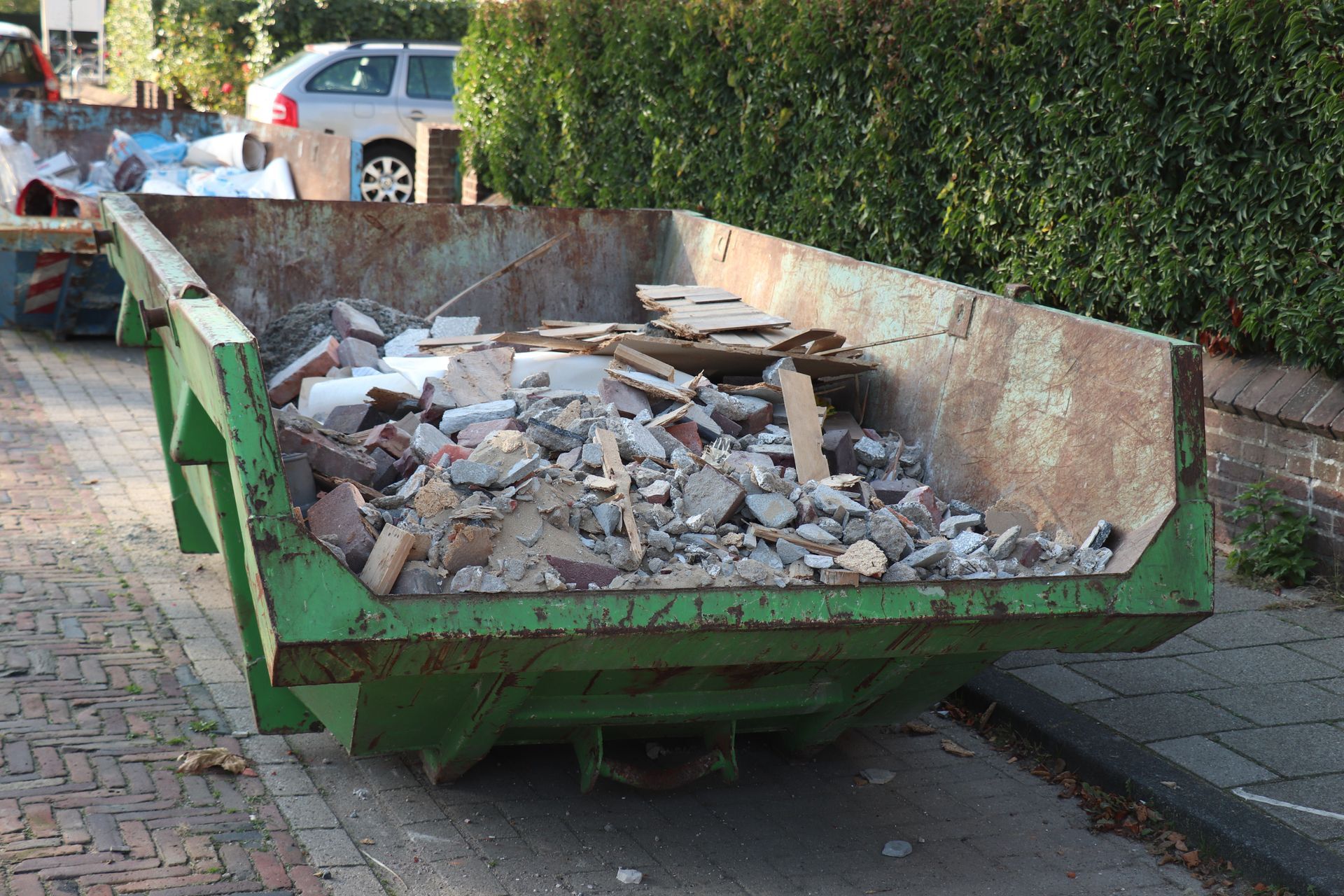
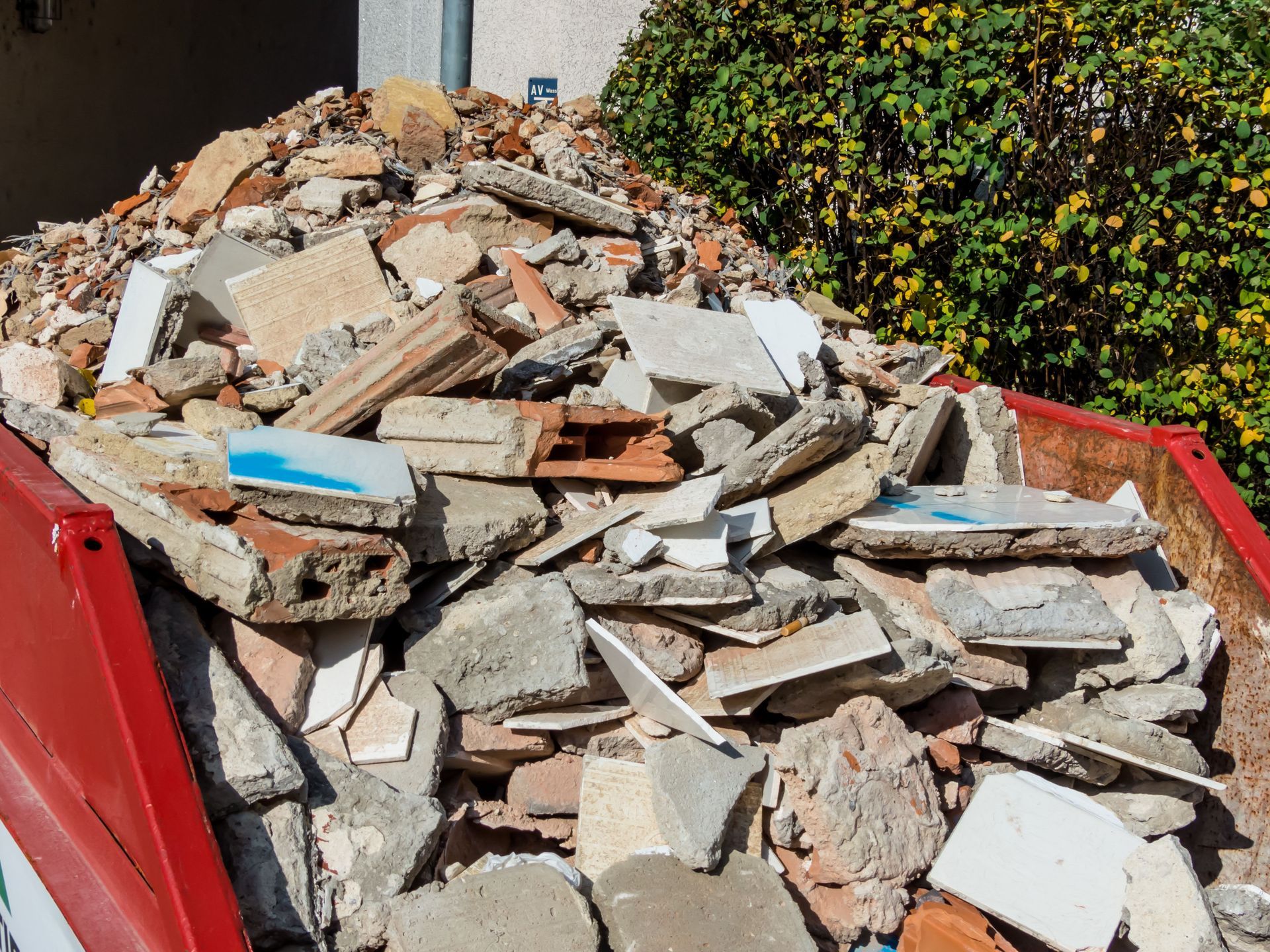
Ignoring these limits can result in overage fees or logistical complications during hauling. Materials like concrete or roofing shingles may reach weight limits quickly, even if the container appears only partially full. By planning ahead and distributing materials properly, teams can maximize each load while staying within guidelines. This awareness supports efficient use of a dumpster and helps avoid unnecessary delays.
Evaluate Site Conditions Before Placement
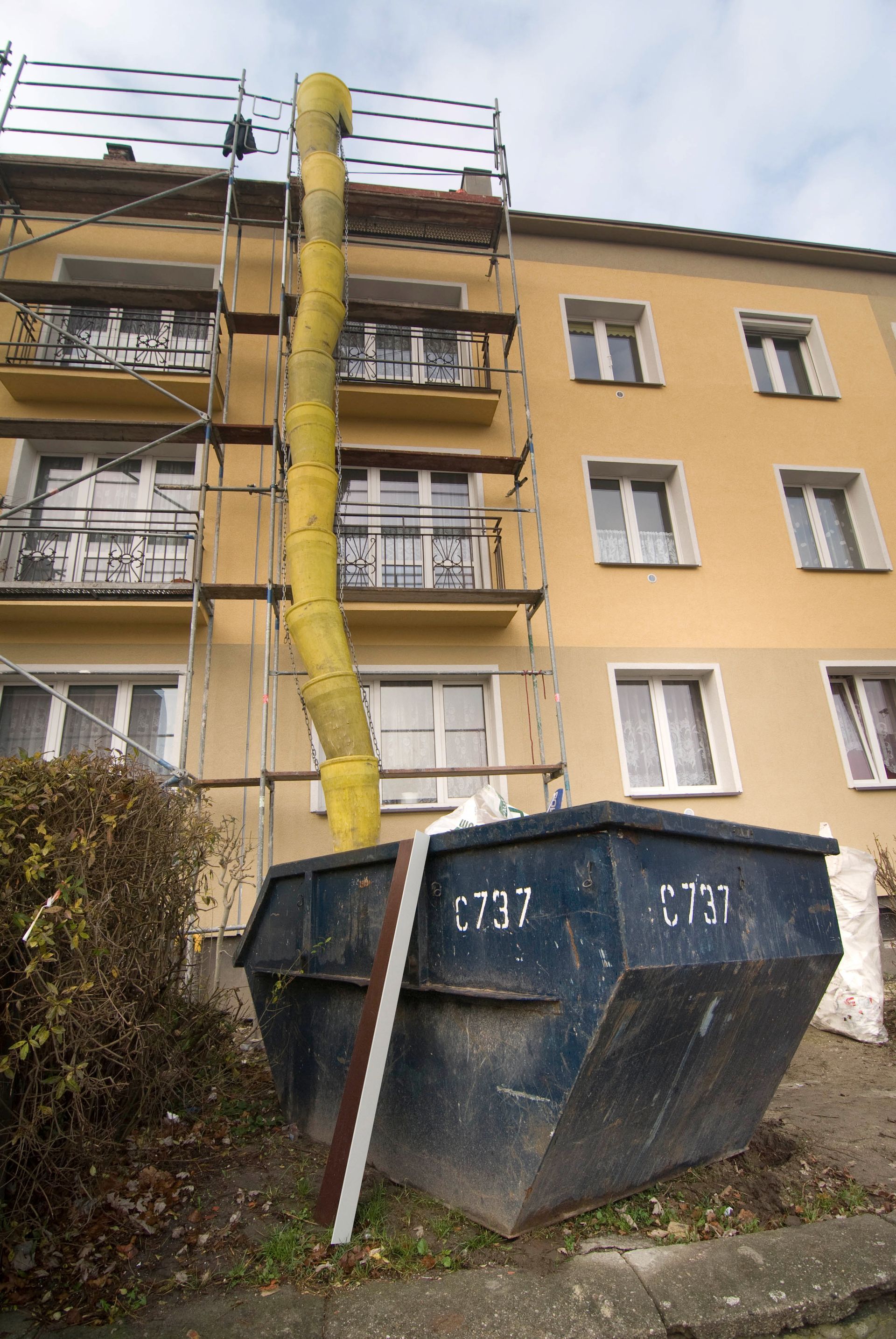
Placing a dumpster in the right location requires careful evaluation of the job site. Accessibility plays a key role, especially when heavy equipment and workers are constantly moving throughout the area. Positioning the container too far from work zones increases labor time, while placing it in high-traffic areas can create bottlenecks.
A clear, accessible location ensures debris can be disposed of quickly without disrupting workflow. It also supports safe navigation for trucks delivering and removing roll off containers. Thoughtful placement
decisions contribute to a more organized and productive site.
Maintain Clear Access Paths for Safety
Keeping access routes open and safe is essential when using a construction dumpster. Workers should be able to move materials easily without navigating obstacles or tight spaces. Clear pathways reduce the risk of accidents and improve overall efficiency.
Designating specific routes for debris transport helps maintain consistency across the job site. This approach not only improves safety but also speeds up disposal tasks. When access remains unobstructed, teams can focus on productivity rather than navigating avoidable challenges.
Position the Dumpster Close to Work Areas
Strategic proximity is another factor that enhances efficiency. Placing a construction dumpster near active work zones reduces the time and effort required to dispose of materials. This convenience encourages consistent cleanup, keeping the site tidy and hazard-free.
However, placement should not interfere with ongoing work or equipment movement. Finding a balance between accessibility and functionality ensures that the container supports operations rather than hindering them. Proper positioning helps maintain steady progress throughout the project.
Organize Waste With Effective Segregation
Sorting materials correctly is a key component of efficient waste management. Separating recyclable items from general debris improves both environmental outcomes and operational efficiency. Many construction projects benefit from structured recycling practices, especially when handling materials like metal, wood, and concrete.
Incorporating recycling into daily operations reduces landfill contributions and supports responsible resource use. A dumpster becomes even more effective when paired with organized waste segregation, allowing teams to streamline disposal and maximize reuse opportunities.
Implement a Structured Waste Management Plan
A clear waste management plan provides direction for how materials should be handled throughout the project. This includes identifying disposal methods, assigning responsibilities, and ensuring compliance with regulations.
Training workers on proper procedures helps maintain consistency and reduces errors. A well-executed plan also improves coordination with services such as recycling and construction hauling. By integrating these elements, teams can make the most of every dumpster while maintaining an organized workflow.
Reduce Contamination in Waste Streams
Contamination can limit recycling opportunities and create inefficiencies in disposal processes. Mixing incompatible materials in a construction dumpster may result in entire loads being redirected to landfills.
Preventing contamination starts with clear guidelines and consistent oversight. Providing labeled containers or designated areas for specific materials helps workers follow proper procedures. Maintaining clean waste streams ensures that recycling efforts remain effective and supports overall project efficiency.
Schedule Deliveries and Pickups Strategically
Timing plays a critical role in maximizing the benefits of a construction dumpster. Coordinating delivery and pickup schedules with project phases helps avoid congestion and downtime. For example, arranging container swaps during slower work periods minimizes disruption.
Careful scheduling also prevents overflow, ensuring that debris is managed before it becomes an issue. Aligning service timelines with construction milestones keeps operations running smoothly and supports consistent progress.
Coordinate Dumpster Use With Project Timelines
Integrating dumpster usage into the broader project schedule enhances efficiency. Planning when containers are needed — and for how long — prevents unnecessary extensions or early removals.
This coordination allows teams to maintain steady waste management without interruptions. It also helps control costs by avoiding last-minute adjustments. A well-timed approach ensures that each dumpster supports the pace and demands of the project.
Avoid Overflow With Timely Service Adjustments
Overflow can quickly disrupt a job site, leading to safety concerns and additional expenses. Monitoring fill levels regularly helps determine when a construction dumpster needs to be emptied or replaced.
Proactive planning ensures that containers are serviced before they reach capacity. This prevents delays and maintains a clean, organized environment. Staying ahead of waste accumulation keeps operations efficient and predictable.
Collaborate With Service Providers for Better Results
Strong communication with service providers improves the overall effectiveness of waste management efforts. Coordinating needs, schedules, and expectations ensures that services align with project requirements.
According to IBISWorld, the United States had more than 225 dumpster rental businesses operating in 2023, highlighting the availability of support across the industry. Working closely with a reliable provider helps streamline logistics, from recycling to roll off container delivery. This collaboration enhances the performance of every dumpster used on site.
Implement Guidelines to Control Usage
Establishing clear usage guidelines helps teams make the most of each construction dumpster. These guidelines can include proper loading techniques, material restrictions, and fill level monitoring.
Consistent adherence reduces waste, prevents overloading, and extends the usability of each container. When everyone follows the same procedures, waste management becomes more efficient and predictable. This structure supports both cost control and operational success.
Minimize Unnecessary Rentals Through Planning
Careful planning reduces the need for additional rentals, saving both time and money. Analyzing waste generation patterns allows teams to determine how many containers are truly required.
Avoiding excess rentals prevents unnecessary expenses while ensuring that sufficient capacity is available. By aligning container usage with actual project needs, teams can optimize resources and maintain efficiency.
Monitor Fill Levels to Improve Efficiency
Regular monitoring of a dumpster ensures that it is being used effectively. Keeping track of how quickly containers fill up allows teams to adjust schedules and avoid last-minute issues.
This proactive approach improves planning and reduces the likelihood of overflow or underutilization. Monitoring also supports better coordination with hauling services, ensuring that operations remain smooth from start to finish.
Follow Safety and Compliance Standards Consistently
Following safety and compliance standards ensures construction waste is handled properly, reducing risks and avoiding penalties. Training workers and using a well-managed construction dumpster helps maintain a safe, efficient, and organized job site.
Maximizing efficiency with a construction dumpster involves more than simply having a container on site. It requires thoughtful planning, strategic placement, organized waste handling, and consistent coordination throughout the project. By focusing on these elements, construction teams can improve productivity, reduce costs, and maintain cleaner, safer work environments.
At Debris Box, we help streamline waste management through reliable recycling, roll off containers, and construction hauling solutions tailored to project needs. Contact us today to keep your next project running efficiently from start to finish.

Share On: