
The Importance of Construction Recycling Services
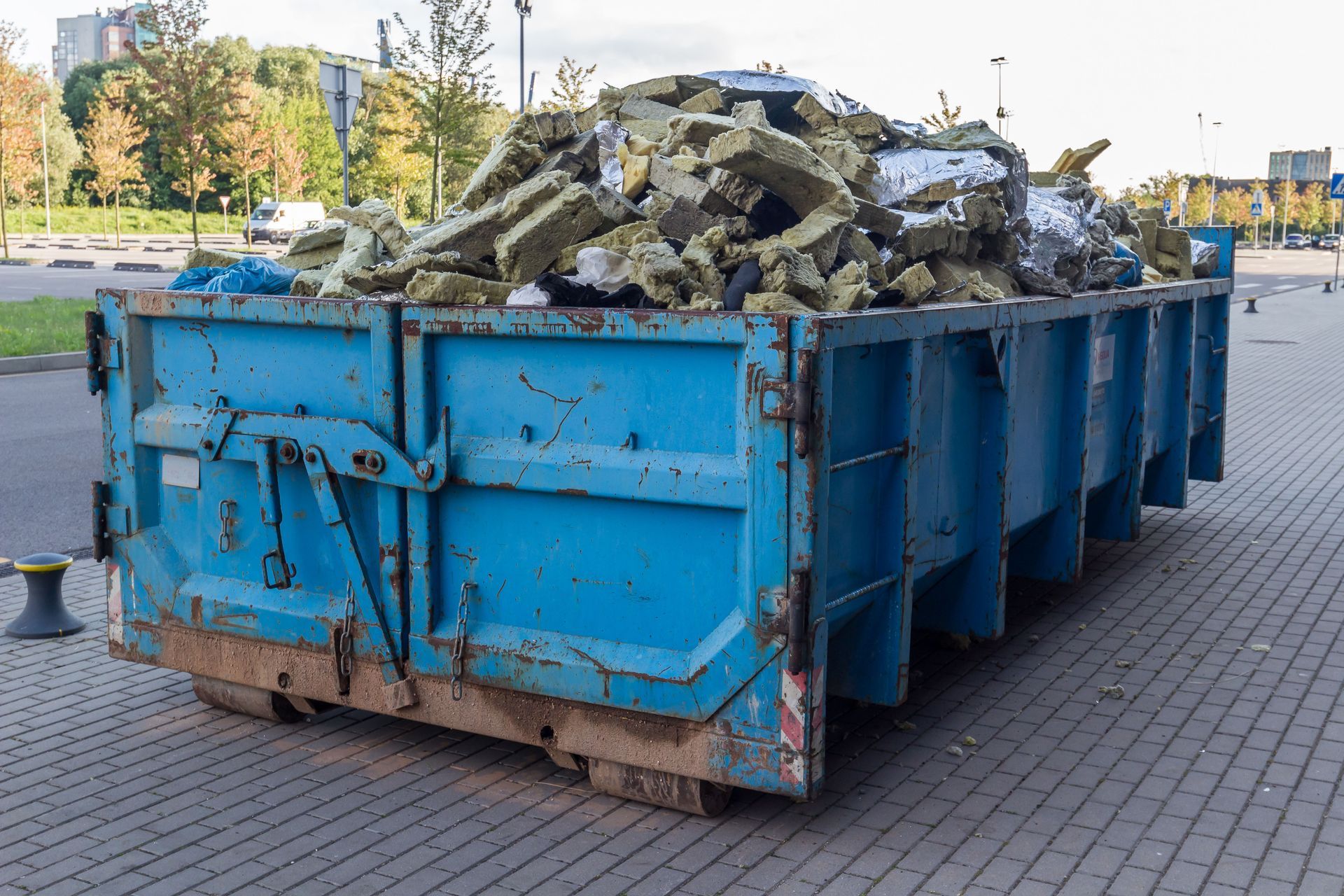
Modern development reshapes skylines and infrastructures, but it also generates massive quantities of debris that can overwhelm municipal landfills. From shattered concrete and scrap steel to discarded gypsum and timber, site refuse represents a severe waste management challenge if left unaddressed. Forward-thinking contractors and project managers now recognize that treating debris as a discarded byproduct is an outdated practice. Implementing systematic waste recovery strategies has become a fundamental standard for responsible project execution across all sectors of the industry.
By integrating dedicated construction recycling services into standard operations, builders actively divert valuable materials away from overburdened disposal facilities. This shift toward resource recovery transforms typical job-site refuse into reusable raw commodities for future development projects. Beyond merely clearing a workspace, systematic waste processing addresses critical ecological priorities and supports a more circular economy within the built environment. As urban centers expand, adopting these sustainable methods ensures that progress does not come at the expense of ecological balance.
Conserving Natural Resources Through Material Recovery
Extracting and processing virgin materials for building projects demands extensive energy and continuously depletes Earth’s finite natural reserves. Open-pit mining, timber harvesting, and aggregate quarrying alter landscapes and degrade local ecosystems. When contractors rely entirely on new raw materials, they accelerate ecological disruption while missing an opportunity to reuse structural components that still retain physical integrity and strength.
Utilizing comprehensive construction recycling services directly mitigates this strain on ecosystems by supplying the market with quality reclaimed materials. Crushed concrete serves as a dependable base layer for roadways and building foundations, replacing the need for newly quarried aggregate. Similar processes allow reclaimed asphalt, wood fiber, and architectural glass to reenter the supply chain as functional construction elements without sacrificing performance or safety.
Metal recovery demonstrates the profound efficiency of job-site material reclamation and industrial conservation efforts. According to Worldmetrics, metals comprise 45% of recycled materials from roll-off dumpsters. Because metals like copper, steel, and aluminum can melt and reform indefinitely without losing their structural properties, recovering them saves significant amounts of raw ore and processing energy.
As the industry embraces these reclamation methods, reliance on new material extraction declines across global supply chains. Building projects that incorporate recovered materials prove that modern infrastructure can expand without permanently exhausting essential natural resources. Sustainable procurement practices ensure that future generations inherit both functional urban spaces and healthy, unblemished ecosystems.
Strengthening Project Budgets Through Cost Reduction
The financial economics of modern building projects require stringent budget management, particularly regarding waste handling and disposal fees. Traditional waste management models that send all refuse to municipal landfills subject contractors to heavy tipping fees and transport costs. As land availability decreases and landfill regulations tighten, those conventional disposal expenses continue to climb across most urban markets, threatening profit margins.
Utilizing professional construction recycling services allows site managers to bypass many of these escalating landfill charges. Materials sorted for recovery often carry lower tipping fees, and in some regions, scrap commodities yield revenue that offsets collection overhead. Decreasing the total volume of waste destined for standard dumps translates directly into measurable financial savings for project stakeholders and property developers.
Integrating efficient material recovery protocols into a job site streamlines overall workflow and labor distribution. Clear sorting systems for wood, metal, and rubble keep work zones organized, which reduces hazards and minimizes material rehandling. An organized job site operates with higher productivity, preventing costly schedule delays and protecting project profit margins from unexpected labor overruns.
Financial institutions and property buyers also increasingly favor developments that prioritize resource efficiency over wasteful disposal practices. Buildings constructed with disciplined waste recovery often achieve higher market appraisals and attract tenants seeking sustainable facilities. Consequently, responsible waste management functions not only as a cost-cutting tactic but also as a value-enhancing investment for long-term real estate portfolios.
Ensuring Compliance With Local Environmental Policy
Regulatory authorities at federal, state, and municipal levels continuously tighten legislation governing industrial waste disposal. Many jurisdictions now mandate specific diversion rates for demolition and building debris, penalizing unauthorized landfill dumping. Property developers who ignore these regulatory mandates face heavy fines, project work stoppages, and severe complications during final occupancy inspections and permitting phases.
Partnering with knowledgeable construction recycling services provides building teams with the structural support necessary to navigate these complex regulatory frameworks. Specialized processing facilities maintain accurate tracking systems that document the exact volume and weight of diverted job-site materials. These precise records simplify the compliance reporting process required by municipal oversight boards and environmental inspectors during periodic audits.
Beyond avoiding legal penalties, systematic material diversion helps projects achieve recognized green building certifications. Standard assessment systems reward developments that divert substantial percentages of site refuse from municipal landfills. Securing these sustainability designations often qualifies property owners for tax incentives, expedited permit processing, and favorable municipal zoning consideration during planning stages.
Proactive compliance also protects developers against future regulatory shifts that may restrict conventional landfill access even further. As municipal environmental policies become more stringent, companies already skilled in material diversion will adapt smoothly without facing operational disruptions. Staying ahead of legislative changes ensures continuity and stability across commercial and residential developments.
Protecting Public Health Through Emission Reduction
Traditional landfill sites present ongoing hazards to public health and regional ecosystems through greenhouse gas emissions and groundwater contamination. Organic debris trapped in anaerobic landfill cells decomposes slowly, releasing methane—a potent greenhouse gas that drives climate instability. Additionally, rainwater percolating through mixed industrial waste can leach toxic chemicals into soil and municipal water tables, threatening surrounding communities.
Deploying specialized construction recycling services eliminates a substantial portion of these hazardous emissions by keeping degradable debris out of anaerobic environments. Wood waste processed into mulch or biomass energy produces significantly lower climate emissions than timber buried in deep municipal landfills. Diverting chemical-bearing materials like drywall and treated wood also prevents sulfates and heavy metals from leaching into groundwater supplies.
Processing recovered materials also yields substantial air quality improvements by reducing industrial manufacturing emissions across the supply chain. Refining scrap metal, reforming glass, and crushing reclaimed concrete generate a fraction of the air pollutants associated with new material extraction. Clean air benefits communities surrounding industrial production facilities, lowering the incidence of regional respiratory illnesses and environmental health burdens.
Job-site waste diversion protects public health by reducing the aggregate pollution burden placed on the environment. Communities near active construction zones and processing centers benefit from cleaner soil, safer water, and healthier air quality. Integrating sustainable waste management into project planning proves essential for fostering safe and thriving urban neighborhoods.
Modern infrastructure development can no longer operate on a linear model of resource extraction, consumption, and permanent disposal. Establishing a sustainable future for the built environment requires industry-wide accountability regarding how job-site refuse is handled from start to finish. Recognizing that structural debris holds enduring value is the catalyst for meaningful environmental and economic progress across the entire sector.
Prioritizing construction recycling services allows project developers to meet contemporary sustainability targets while supporting long-term ecological balance. Through strategic material diversion, the building industry can protect finite natural resources, optimize project economics, satisfy regulatory mandates, and safeguard public health. Transforming waste into a resource ensures that tomorrow's infrastructure develops in harmony with the natural environment. When you partner with Debris Box for your next project, you actively reduce landfill waste while keeping your job site efficient and compliant. Contact us today to see how our reliable construction recycling services can streamline your waste management and support a more sustainable built environment.


Share On: