
Why a Construction Dumpster Is Pivotal to Construction Sites
Construction projects involve far more than building new structures or renovating existing ones. Every stage of the process creates debris, discarded materials, packaging, and waste that must be handled responsibly. Without a reliable plan for managing these materials, even well-organized job sites can become cluttered, inefficient, and potentially unsafe. That is why a construction dumpster plays such an important role from the beginning of a project through its completion.
Keeping a worksite organized supports productivity, encourages safer working conditions, and helps contractors maintain steady progress. Instead of allowing waste to accumulate throughout the property, designated disposal solutions create an orderly environment where materials are managed consistently. Proper waste handling also helps simplify cleanup and allows construction teams to focus on completing quality work.
As projects become increasingly focused on efficiency, organization, and environmental responsibility, dependable waste management remains a key part of successful planning. Whether the work involves new construction, remodeling, demolition, or commercial improvements, having the appropriate disposal solution contributes to smoother operations throughout the entire project.
Supporting Cleaner Job Sites
A clean worksite creates a better environment for everyone involved in a construction project. Building materials, broken debris, packaging, scrap lumber, damaged drywall, and discarded fixtures can quickly accumulate as work progresses. Without a designated location for disposal, these materials may spread throughout the property, making daily operations more difficult.
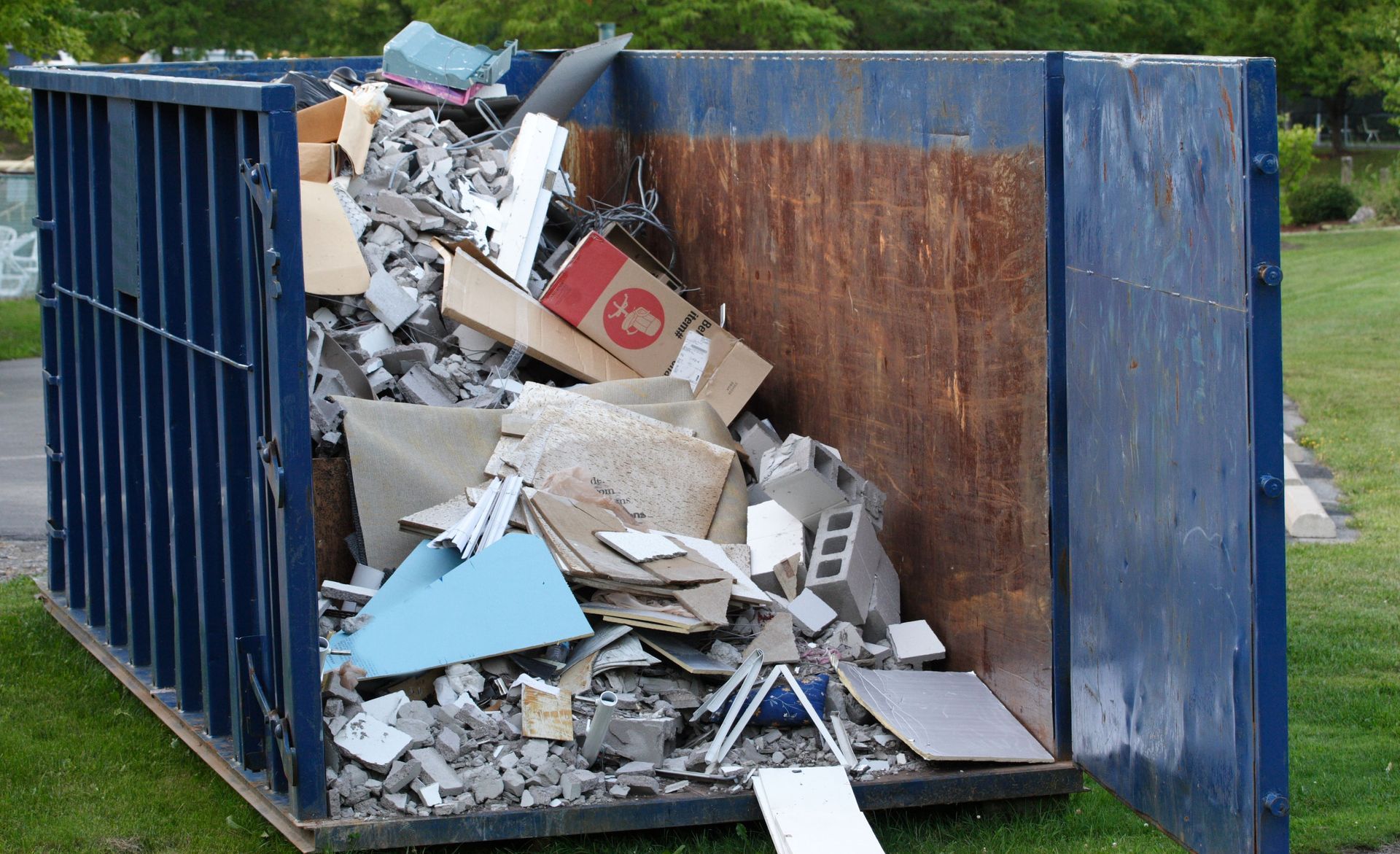
A construction dumpster provides a central collection point that allows crews to dispose of waste as it is generated. Instead of creating temporary piles throughout the site, workers can immediately place unwanted materials into a secure container. This simple practice helps reduce clutter while keeping valuable work areas open and accessible.
An organized site also reflects a higher level of professionalism. Property owners, inspectors, suppliers, and visitors often notice how well a project is maintained. A cleaner environment demonstrates careful planning and attention to detail, helping promote confidence throughout the construction process.
Improving Workplace Safety
Construction sites naturally involve many hazards, including heavy equipment, active work zones, and moving materials. Allowing waste to accumulate unnecessarily can introduce additional risks that interfere with safe operations.
Using a construction dumpster encourages prompt disposal of debris that might otherwise create tripping hazards or obstruct pathways. Sharp materials, broken pieces, and discarded supplies remain contained rather than scattered throughout the project area. This organized approach supports safer movement for workers, subcontractors, and delivery personnel alike.
A cleaner site also improves visibility. Workers can better identify equipment, access points, and designated workspaces without navigating around piles of waste. Maintaining clear pathways contributes to smoother daily operations while reducing unnecessary interruptions caused by clutter.
Safety benefits extend beyond workers as well. Construction often occurs near occupied homes, businesses, or public areas where pedestrians, customers, residents, and delivery personnel may pass by throughout the day. Proper waste containment helps prevent debris from migrating beyond the project boundaries, creating a safer surrounding environment for neighbors and visitors. Keeping discarded materials contained also reduces the likelihood of lightweight debris being carried by wind or accidentally spreading into sidewalks, parking areas, or nearby landscaping.
Streamlining Daily Operations
Every construction project depends on careful coordination between crews, suppliers, schedules, and equipment. Delays caused by unnecessary cleanup or poor organization can gradually affect overall productivity.
Having a construction dumpster readily available allows crews to dispose of waste immediately rather than postponing cleanup until later. Small amounts of debris removed throughout the day prevent larger cleanup efforts from interrupting important construction activities.
Efficient waste management also helps preserve valuable workspace. Rather than sacrificing room to temporary debris piles, contractors can dedicate more of the site to active construction tasks, staging materials, and operating equipment. Better organization contributes to smoother workflows while helping projects remain on schedule.
Reliable disposal planning also simplifies coordination among different trades. Electricians, plumbers, carpenters, painters, and other professionals can work more efficiently when unnecessary debris is consistently removed from shared work areas.
Promoting Responsible Waste Management
Modern construction increasingly emphasizes responsible environmental practices alongside quality craftsmanship. Proper disposal methods help ensure that construction waste is handled appropriately while supporting broader sustainability goals whenever possible.
A construction dumpster encourages organized waste collection, making it easier for materials to be transported through appropriate disposal or recycling processes. Separating waste from the beginning of a project often supports more efficient handling later in the disposal chain.
Growing demand for professional waste services reflects the importance of organized debris management across the construction industry. According to IntelMarketResearch.com, the global dumpster rental service market is expected to increase from USD 830 million in 2025 to USD 1,121 million by 2031, highlighting continued investment in dependable waste solutions.
Responsible waste management also demonstrates respect for surrounding communities. Proper containment helps reduce blowing debris, limits unnecessary mess, and supports cleaner project sites throughout the duration of construction.
Simplifying Project Completion
Construction projects rarely end when the final installation is complete. Finishing work often includes removing leftover materials, packaging, damaged products, and demolition debris before the property is ready for occupancy or final inspection.
Keeping a construction dumpster on-site throughout the project allows cleanup to occur continuously rather than becoming an overwhelming task near completion. As each phase concludes, unnecessary materials can be removed promptly, preventing large accumulations from developing.
This ongoing approach allows final cleanup to proceed more efficiently. Contractors can focus on completing finishing details instead of dedicating significant time to collecting scattered debris across the property. Clients also benefit from seeing a cleaner, more organized project as construction nears completion.
An orderly finish leaves a positive impression. Clean project sites showcase craftsmanship more effectively while allowing owners to fully appreciate the completed improvements without unnecessary distractions. Rather than focusing on leftover debris, discarded materials, or scattered equipment, clients can immediately see the quality of the finished work and the attention that has been given to every detail. A clean environment also creates a smoother transition from construction to occupancy, allowing owners to begin using the space with greater confidence. For commercial properties, a well-maintained site reinforces professionalism before employees, customers, or tenants return.
Supporting Projects of Every Size
Construction projects vary considerably depending on property type, scope, and objectives. Residential renovations, commercial developments, remodeling projects, and demolition work all generate different types of waste, yet each benefits from organized disposal planning.
A construction dumpster offers flexibility that supports a wide variety of construction environments. Having dedicated waste containment helps contractors adapt to changing project conditions while maintaining organized worksites throughout every phase of construction.
Effective disposal planning also contributes to stronger communication between project managers, subcontractors, and property owners. Expectations remain clear because everyone understands where waste belongs and how site cleanliness will be maintained.
Perhaps most importantly, dependable waste management allows construction professionals to concentrate on delivering quality workmanship instead of continually addressing unnecessary clutter. Organized disposal becomes an integrated part of the construction process rather than an afterthought.
Successful construction projects depend on careful planning, efficient workflows, and consistent attention to organization from beginning to end. Effective debris management supports cleaner worksites, safer working conditions, improved productivity, responsible waste handling, and more efficient project completion. Investing in the right construction dumpster helps create an environment where construction activities can proceed with fewer interruptions while maintaining a professional appearance throughout the project.
When your next project requires dependable waste management solutions, contact us at Debris Box to learn how we can help you choose the right construction dumpster for your construction needs.

Share On: