
How to Prepare Your Property for a Roll Off Dumpster Rental
Dumpster rental preparations prevent property damage, ensure smooth delivery and pickup, and help maximize the value that waste disposal services provide. Many customers fail to prepare adequately, creating problems when delivery trucks cannot access placement sites or when dumpsters damage driveways and lawns. Understanding how to prepare properties helps you avoid the complications that inadequate planning creates during rental periods requiring coordination. The difference between hassle-free dumpster experiences and frustrating problems often comes down to proper preparation before delivery occurs. Learning what preparation steps matter empowers you to ensure smooth delivery, convenient placement, and damage-free property conditions throughout rental durations.
Selecting and Clearing the Placement Location
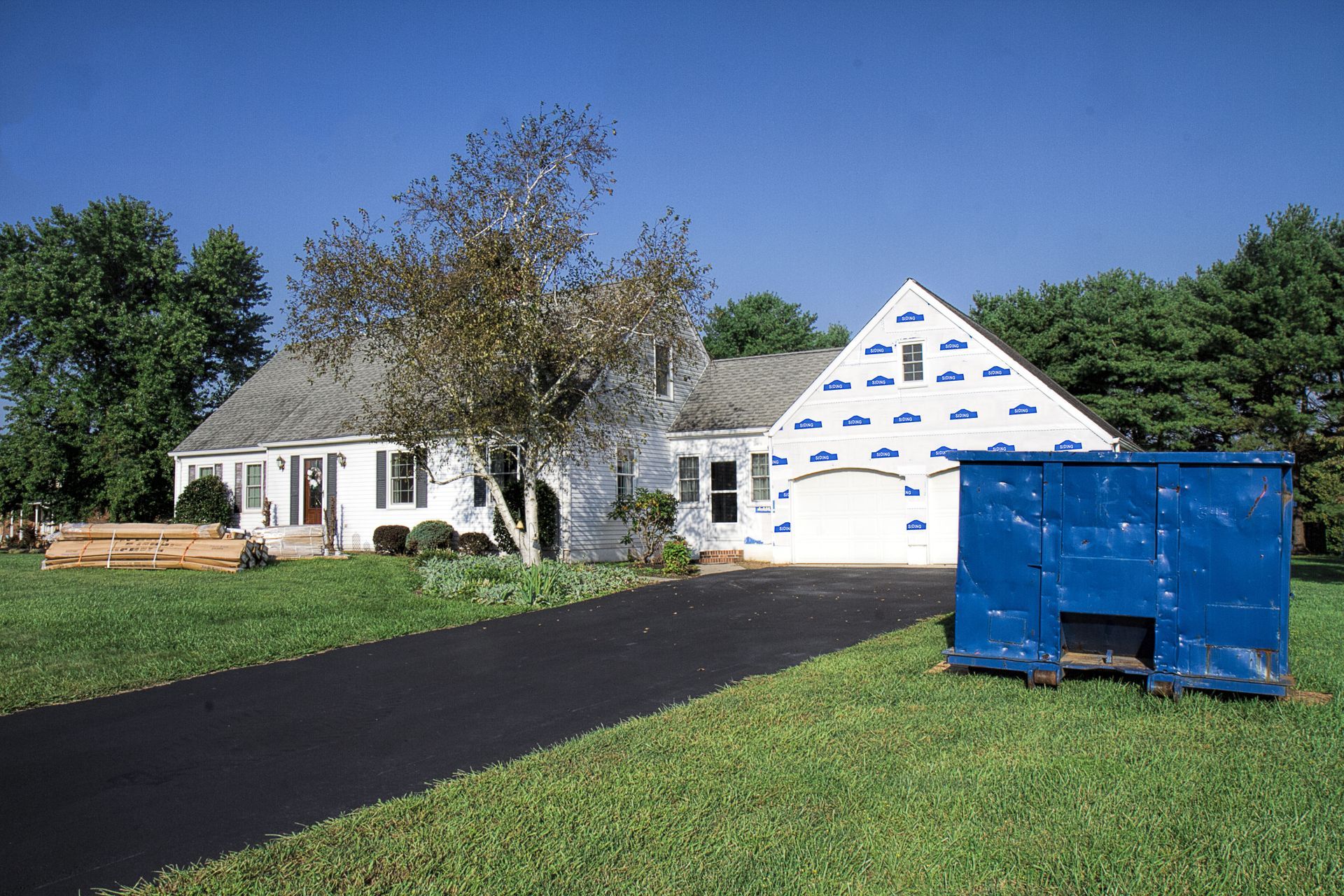
According to Data Horizon, North America is the leading market, holding an estimated 40-45% share of the global rental market. Ideal placement locations provide level surfaces with adequate overhead clearance for delivery trucks to position containers without interference from trees or power lines. Driveways typically provide the best placement options, though street placement sometimes proves necessary when driveway access proves impossible or inconvenient for projects. The location selection that convenient placement requires considers proximity to work areas, accessibility for loading, and whether permits are necessary for placements. Preparing for roll off dumpster delivery includes selecting optimal placement locations, considering truck access, overhead clearances, and convenient proximity to project areas requiring disposal. Customers should measure available space, ensuring adequate room for containers and delivery equipment, identify overhead obstructions requiring avoidance, and clear areas completely. The placement planning they complete prevents the delivery problems that inadequate space or unexpected obstructions create when drivers cannot position containers as requested.
Protecting Driveways and Surfaces From Damage
Heavy dumpsters and delivery trucks create substantial weight that driveways and surfaces must support without cracking or damage throughout rental periods. Plywood boards placed beneath dumpsters distribute weight, preventing the concentrated pressure that cracks asphalt or damages concrete through the protection boards provide. The surface protection that damage prevention requires proves particularly important for newer driveways or decorative surfaces that are susceptible to permanent damage from weight and dragging. Protecting surfaces during roll off dumpster placement involves using plywood sheets to distribute weight, preventing the pressure damage that concentrated loads create on driveways and pavement. Rental companies sometimes provide boards, though customers often must supply protection themselves, placing multiple plywood sheets beneath containers before delivery occurs. The protective measures they implement prevent the cracks, indentations, and surface damage that heavy containers create when placed directly on unprotected driveways.
Measuring Access Routes for Delivery Trucks
Delivery trucks require adequate width, height clearance, and turning radius that narrow driveways or tight streets sometimes cannot accommodate without preparation. Measuring gate widths, checking overhead clearances, and assessing turn radii ensure trucks can access placement sites without damaging property or getting stuck. The access verification that successful delivery requires prevents situations where trucks cannot reach intended locations, forcing alternative, less convenient placements. Ensuring delivery access for roll off dumpster trucks includes measuring driveway widths, verifying overhead clearances beneath trees and wires, and confirming adequate turning space exists. Customers should walk delivery routes, identifying potential obstacles, trimming overhanging branches blocking truck passage, and ensuring gates open sufficiently wide for passage. The access verification they complete prevents the delivery problems that tight spaces create when trucks cannot reach intended placement locations despite planning.
Checking and Obtaining Necessary Permits
Street placements typically require municipal permits, while driveway locations usually need no authorization, making placement choice affect whether permit applications prove necessary. Permit requirements vary by municipality, with some requiring approval for any dumpster placement while others only regulate street or sidewalk positions. The permit research that legal compliance demands includes contacting local authorities, confirming requirements before delivery, preventing violations, imposing fines, and forced removals. Obtaining permits before roll off dumpster delivery involves contacting municipal offices, completing required applications, and receiving approval before scheduling delivery when permits are necessary. Rental companies sometimes assist with permitting, though customers often bear responsibility for securing approvals before placements occur in regulated locations. The permit compliance they ensure prevents the violations that unauthorized placements create when municipalities discover unpermitted containers occupying public spaces or rights-of-way.
Communicating Placement Instructions Clearly
Precise placement instructions prevent the repositioning needs that vague directions create when drivers place containers incorrectly, requiring adjustments or complete redelivery. Detailed descriptions, including measurements from landmarks, specific driveway positions, or street locations, ensure drivers' understanding exactly where placement should occur. The communication clarity that correct placement requires eliminates the confusion that ambiguous instructions create when drivers must guess at intended locations. Providing clear instructions for roll off dumpster placement includes specific descriptions with measurements, landmarks, and exact positioning details, ensuring drivers place containers precisely as intended. Customers should describe placement relative to garage doors, property lines, or other fixed references that drivers can identify, ensuring accurate positioning. The instruction specificity they provide prevents the misplacements that vague directions create, requiring inconvenient repositioning when containers end up in the wrong locations.
Notifying Neighbors About Temporary Placement
Courtesy notifications inform neighbors about upcoming dumpster placements, preventing complaints when containers appear unexpectedly, occupying street space, or being visible from properties. This neighborly communication proves particularly important for street placements affecting parking or when large containers are visible, creating temporary aesthetic impacts. The neighbor notification that good relations require demonstrates consideration while providing a warning about temporary changes affecting shared spaces or views. Being considerate before roll off dumpster arrival includes informing adjacent neighbors about placement timing and duration, preventing surprise when containers suddenly appear. Advance notification allows neighbors planning around reduced street parking or understanding that temporary eyesores will disappear after projects are completed within specified timeframes. The courtesy they demonstrate through communication prevents the neighborhood friction that unexpected placements create when containers appear without any warning.
Planning Loading Access and Workflow
Dumpster positioning affects how easily debris loads can be removed, making placement planning consider project workflow and whether materials will be carried or wheeled. Positioning near work areas minimizes carrying distances while ensuring adequate space around containers, allowing convenient access from multiple sides during loading. The workflow consideration that efficient projects demand includes planning how materials will reach containers and ensuring placements support rather than hinder operations. Maximizing efficiency with roll off dumpster placement involves positioning containers near work areas, ensuring adequate surrounding space for loading, and considering project workflow requirements. Customers should visualize how debris will be transported to containers, position dumpsters to minimize carrying distances, and ensure placements don't obstruct ongoing work. The workflow planning they complete improves project efficiency through the convenient access that thoughtful placement provides rather than forcing excessive material transport.
Understanding how to prepare properties for dumpster delivery helps you avoid the problems that inadequate planning creates during rental periods. The preparation steps that smooth experiences require prevent damage, ensure convenient placement, and maximize the value that waste disposal provides. Making informed preparation decisions ensures dumpster rentals proceed smoothly without the complications that inadequate planning creates. Whether you need waste hauling, front-load dumpster rental, metal recycling, wood recycling, drywall recycling, concrete recycling, construction hauling, demolition hauling, garbage dump service, hauling for house remodels, hauling for house cleanups, roll-off dumpster rentals, or recycle hauling, Debris Box offers personalized service, provides free job walk by next work day, and delivers service in 2 business days or less. For more information, contact us today!


Share On: