
Things to Consider Before Scheduling Dumpster Rental Service
Managing waste during a renovation, construction project, property cleanout, or commercial upgrade requires more than simply discarding unwanted materials. Choosing the right dumpster rental service can make a significant difference in how efficiently a project moves forward and how organized the property remains throughout the process. Many property owners underestimate how important proper waste management becomes once debris begins to accumulate, especially when timelines, safety, and accessibility are involved.
Before arranging a container delivery, it is important to evaluate several details that influence convenience, compliance, and overall project flow. From understanding placement restrictions to estimating debris types, thoughtful preparation helps prevent delays and unnecessary complications. A reliable dumpster rental service should support the project with timely communication, dependable scheduling, and waste solutions that align with the property’s specific needs.
Assess Project Waste Requirements
Before scheduling a container, property owners should first evaluate the type of waste their project is expected to produce. Different materials often require different disposal approaches, and understanding the nature of the debris helps ensure the right container is selected from the beginning.
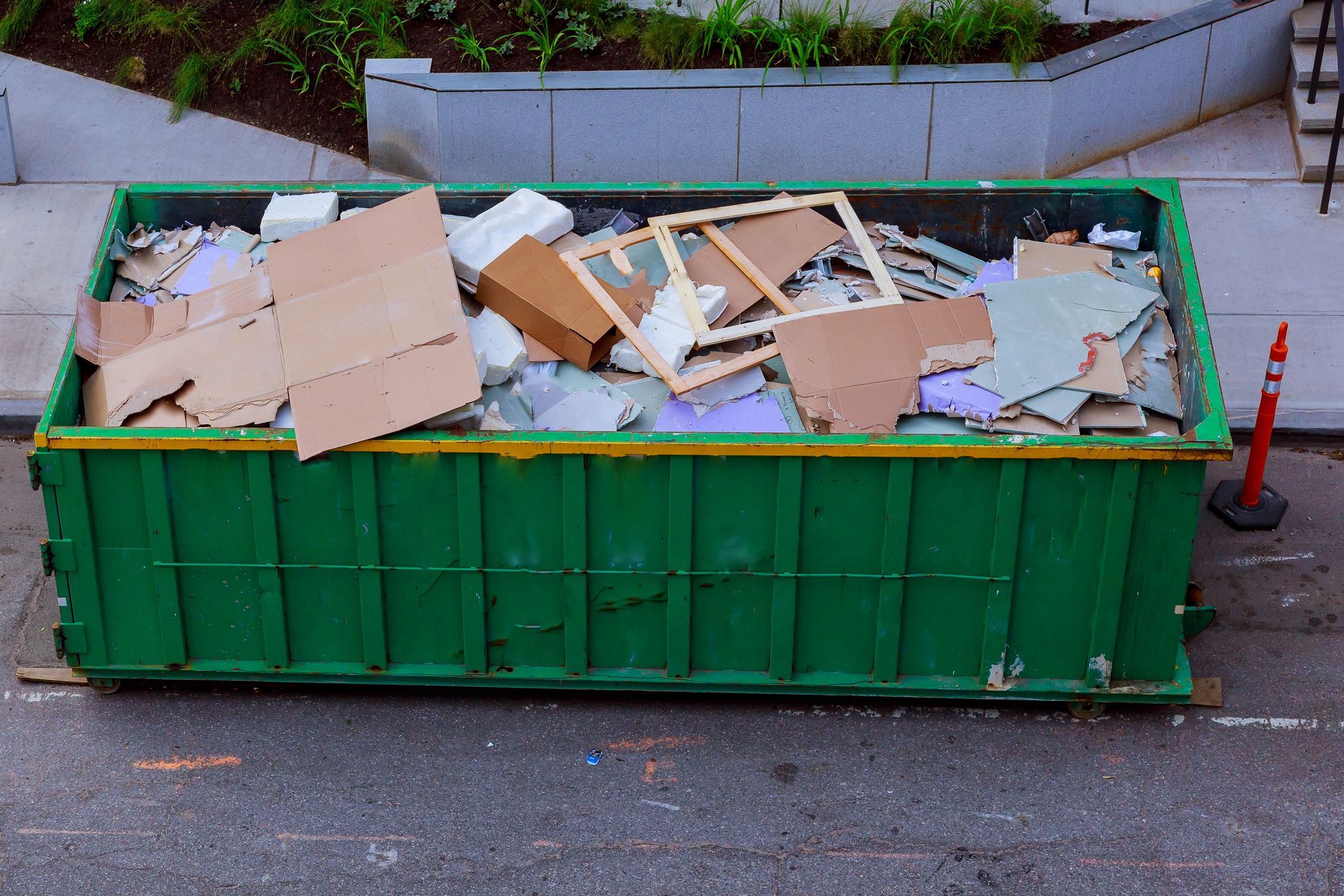
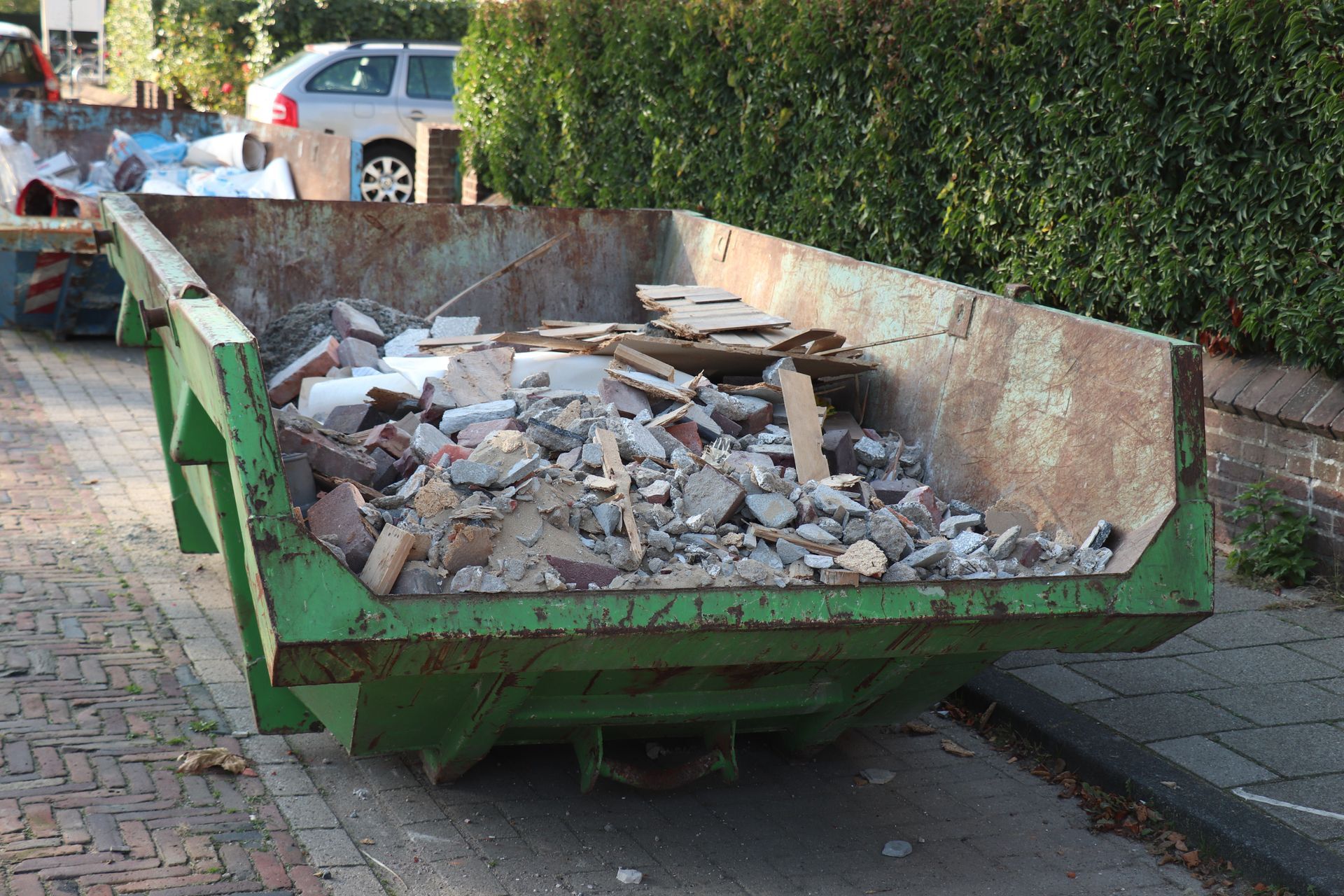
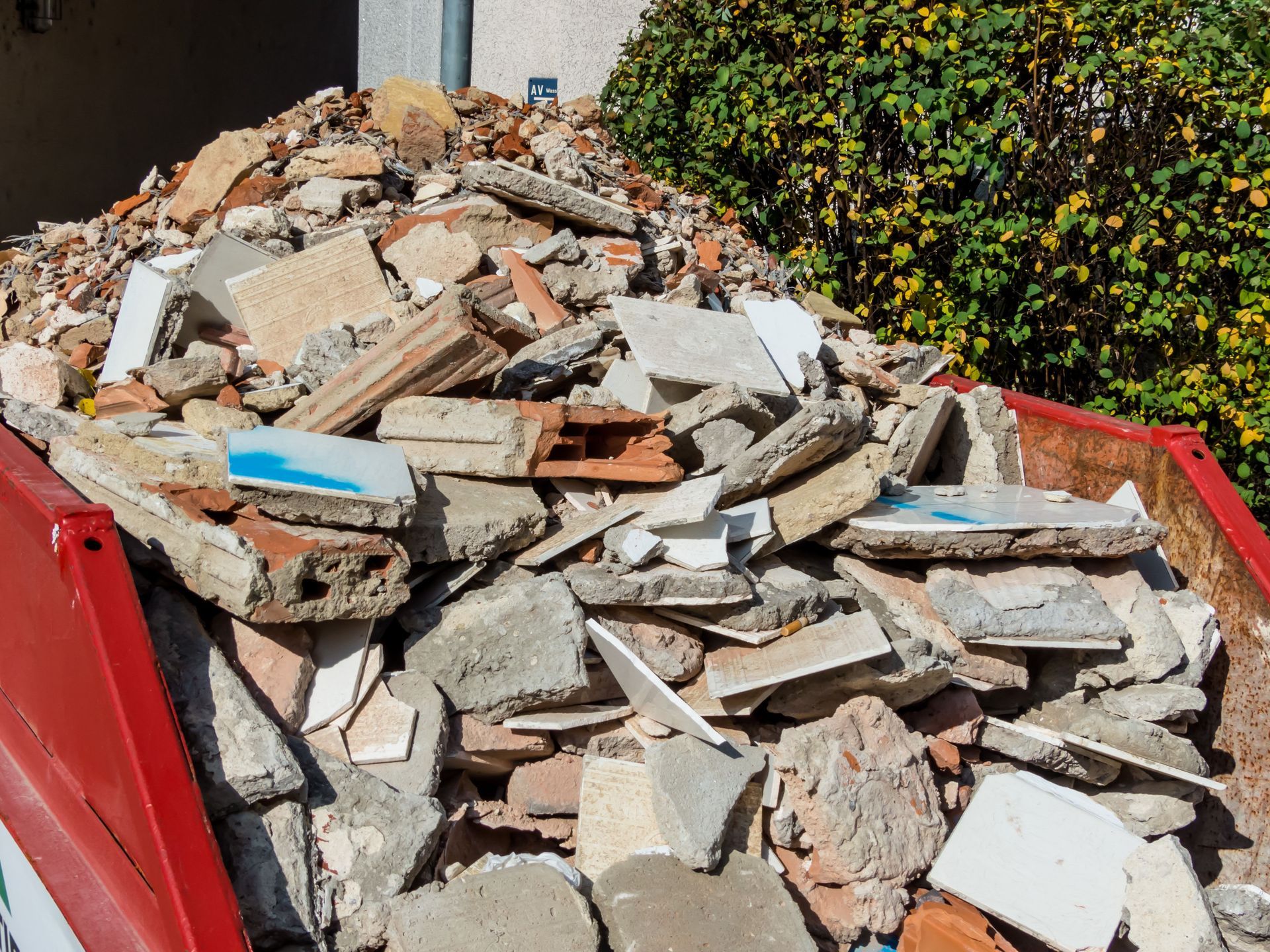
Construction projects may generate bulky materials such as drywall, wood, concrete, or roofing debris, while office cleanouts often involve furniture, packaging, or outdated equipment. Landscaping projects may create large amounts of branches, soil, or vegetation. By identifying the primary waste categories ahead of time, clients can communicate their needs more effectively and avoid scheduling complications.
A professional dumpster rental service can also explain whether certain materials require specialized disposal methods. Some waste items may not be accepted within standard containers due to environmental regulations or safety concerns. Discussing these details in advance allows the disposal process to remain smooth and compliant throughout the project timeline.
Review Property Placement Conditions
Container placement plays a major role in accessibility, convenience, and property protection. Before delivery is scheduled, it is helpful to evaluate where the dumpster will be positioned and whether the selected area provides adequate space for both delivery and pickup.
Driveways, parking areas, loading zones, and construction access points all need enough clearance to accommodate the container and the transport vehicle. Narrow pathways, overhead obstructions, soft ground conditions, or crowded surroundings can create delivery challenges if they are not addressed early in the planning stage.
Many property owners also prefer placement locations that minimize disruption to daily operations or neighboring properties. A carefully selected placement area helps maintain traffic flow, reduces hazards, and supports overall project organization. An experienced dumpster rental service can often recommend suitable positioning options based on the property layout and project demands.
Understand Local Permit Expectations
Depending on the location of the project, permits may sometimes be required before a dumpster can be placed on public property or in shared access areas. Municipal guidelines often vary, making it important to verify local requirements before scheduling delivery.
Projects involving street placement, alley access, or commercial loading areas may involve additional authorization from local agencies or property management organizations. Failing to address permit expectations ahead of time can result in scheduling delays or unnecessary penalties that interrupt project progress.
According to IBISWorld, the domestic dumpster rental industry included approximately 351 active enterprises operating throughout the country during 2025, highlighting the continued demand for organized waste management solutions across residential and commercial sectors.
An established dumpster rental service typically understands local placement considerations and may help clients navigate the process more efficiently. Early planning allows permits and approvals to be addressed before debris removal becomes urgent.
Evaluate Scheduling and Availability
Timing is another important factor to consider before arranging container delivery. Construction projects, property cleanouts, and remodeling work often operate on strict timelines, making dependable scheduling essential for maintaining workflow and reducing interruptions.
Property owners should communicate anticipated project start dates, expected debris volume, and estimated completion timelines during the planning process. This helps ensure the container arrives when needed and remains available for the appropriate duration.
Unexpected project extensions can also influence scheduling needs. Delays related to weather, material delivery, inspections, or labor availability sometimes require additional rental time. Discussing flexibility options in advance can help prevent logistical challenges later in the project.
Reliable communication is often one of the most valuable qualities in a professional dumpster rental service. Clear scheduling updates, prompt responses, and dependable pickup coordination contribute to a smoother experience and allow property owners to focus on other project responsibilities.
Compare Container Features and Policies
Not all containers or rental arrangements are identical. Before confirming service, property owners should review available options carefully to ensure the selected container aligns with project goals and operational needs.
Some projects may benefit from containers designed for heavier debris, while others require easier loading access for lighter materials. Features such as walk-in doors, protective placement practices, and loading accessibility may improve convenience depending on the work being performed.
It is also important to review service policies related to prohibited items, rental periods, pickup coordination, and debris limitations. Understanding these expectations in advance helps avoid confusion once the project is underway. Clear policy information can also help property owners plan their cleanup process more efficiently while reducing the risk of scheduling misunderstandings or disposal complications later in the project.
A dependable dumpster rental service should provide transparent information regarding operational guidelines and scheduling procedures. Clients benefit from knowing exactly what to expect regarding delivery timing, debris handling, and communication throughout the rental period.
Prioritize Safety and Site Organization
Maintaining a clean and organized project environment contributes to both efficiency and safety. Excess debris scattered throughout a property can create tripping hazards, restrict movement, and interfere with ongoing operations. Proper waste containment helps minimize these risks while supporting a more professional work environment.
Construction teams, commercial staff, property managers, and homeowners all benefit when debris is consistently managed throughout the duration of a project. Centralized waste collection allows materials to remain contained instead of accumulating across walkways, parking areas, or active work zones.
In addition to improving organization, a properly managed container can also help protect the surrounding property from damage caused by loose debris or improper disposal practices. Planning with a qualified dumpster rental service allows projects to maintain cleaner conditions while supporting safer daily operations.
Clear disposal procedures also encourage better workflow coordination among contractors, employees, and project participants. When waste management is organized from the beginning, teams can focus more effectively on completing project objectives without unnecessary disruptions. Organized debris handling reduces confusion about where materials should be discarded and helps maintain cleaner pathways throughout the property. This can improve productivity by allowing workers to move more efficiently between tasks without navigating around scattered waste or overcrowded work areas.
Scheduling a dumpster requires more consideration than simply choosing a delivery date. Waste type, placement conditions, permit expectations, scheduling flexibility, and site organization all contribute to a smoother and more efficient project experience. Careful planning helps property owners avoid delays, maintain cleaner environments, and support safer working conditions throughout construction, renovation, or cleanup efforts.
Working with a knowledgeable provider allows clients to better understand disposal requirements while ensuring waste management aligns with the demands of the project. A dependable dumpster rental service offers more than debris removal alone; it supports organization, efficiency, and operational consistency from beginning to end.
When it comes to managing project waste efficiently, we at Debris Box are committed to helping our clients maintain organized, reliable, and professional cleanup solutions tailored to their project needs.

Share On: