
Roll-Off Dumpster Sizes Explained: Which One Is Best?
Whether you are planning a home renovation, managing a construction site, or tackling a major cleanout, choosing the right dumpster size can make or break your project timeline. Renting a container that is too small may lead to overflow issues, repeated hauls, and additional fees, while selecting one that is too large can mean paying for unused space. Understanding the differences between available sizes helps you stay organized, efficient, and within budget from day one.
Roll off dumpsters are designed to handle a wide range of residential and commercial debris removal needs. From compact home cleanouts to large-scale demolition jobs, these containers come in multiple configurations to accommodate different volumes and types of waste. By learning how each option functions and what it is best suited for, you can confidently choose the right solution for your specific project. In this article, we will break down the available dumpster sizes, their ideal uses, and how to determine which one is best for your needs.
Understanding How Roll-Off Dumpsters Are Measured
Before diving into specific container options, it helps to understand how dumpster capacity is calculated. Roll off dumpsters are typically measured in cubic yards, which refers to the total volume of debris the container can hold. One cubic yard equals a three-foot-by-three-foot-by-three-foot space. While that measurement may seem abstract at first, visualizing pickup truck loads can make it easier to grasp. Roughly speaking, one cubic yard is equivalent to about one standard pickup truck load of waste.
For example, according to Moving.com, a 10-yard dumpster holds approximately 10 pickup truck loads of debris. A 25-yard container can handle around 25 loads, and a 40-yard box can accommodate roughly 40 loads. This comparison provides a practical way to estimate how much waste your project might generate.
In addition to volume, weight limits also play a significant role. Each container comes with a maximum weight allowance based on transportation regulations and disposal facility requirements. Exceeding that limit can result in overage charges. Heavy materials such as concrete, roofing shingles, dirt, or brick can reach weight limits quickly, even if the dumpster is not filled to the top. That is why selecting the proper size requires considering both the type of debris and the total volume you expect to load.
With that foundation in mind, let’s take a closer look at the specific containers commonly offered and how each serves different project needs.
3-Yard and 4-Yard Bins for Smaller Cleanup Jobs
For light-duty projects and routine cleanups, 3-yard and 4-yard bins provide a compact and convenient solution. These smaller containers are ideal for minor decluttering projects, small office cleanouts, or limited renovation debris.
Homeowners often use 3-yard or 4-yard bins when cleaning out a single room, removing old furniture, clearing out a garage corner, or handling yard waste from modest landscaping updates. These bins are also common for small retail businesses that need consistent waste removal without occupying too much space behind their building.
Because of their smaller footprint, these containers fit easily in tight spaces such as narrow driveways, alleys, and commercial loading zones. They are also easier to position without obstructing traffic or disrupting neighboring properties. For projects with limited debris, renting a compact bin can help keep costs under control while still maintaining a clean work area.
If your project is limited in scope and you do not anticipate heavy or bulky debris, these bins can offer a cost-effective and space-saving option. However, if you are tearing out cabinets, drywall, or multiple fixtures, you may quickly outgrow this size.
25 Midsize Dumpster: A Versatile Middle-Ground Option
The 25 midsize dumpster offers more capacity for projects that exceed a small cleanup but do not require a full 40-yard container. This option is often selected for moderate renovations, larger home cleanouts, or mid-sized construction tasks.
If you are replacing flooring throughout several rooms, remodeling a kitchen, updating a bathroom, or removing roofing materials from a residential property, the 25 midsize container provides additional space without the scale of a large commercial box. It strikes a practical balance between capacity and placement flexibility.
This size is especially popular for whole-home cleanouts prior to moving, estate cleanups, or foreclosure property preparation. It can handle furniture, appliances, drywall, cabinetry, and general household debris without requiring multiple hauls in many cases.
For contractors, the 25-yard container is often sufficient for smaller remodeling crews working on single-family homes. It allows room for debris to accumulate over several days while keeping the site organized. At the same time, it does not require as much driveway space as a 40-yard box.
For many homeowners and professionals, this size handles the bulk of residential remodeling projects efficiently while maintaining a manageable presence on-site.
40 Standard Box: Built for Large-Scale Projects
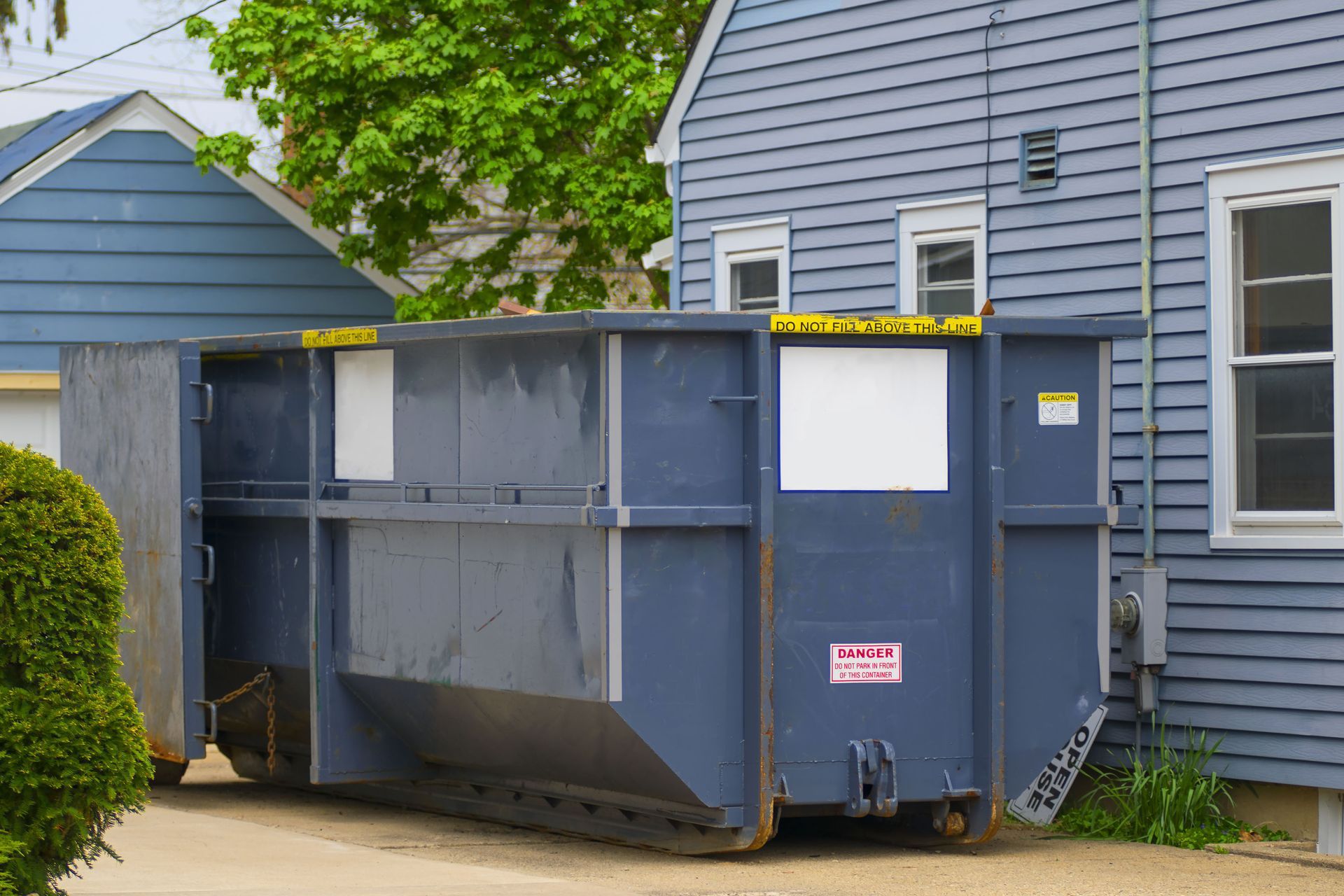
The 40 Standard Box is designed for high-volume debris removal and major construction efforts. This container is well suited for new construction builds, large commercial renovations, extensive home demolitions, and multi-unit property cleanouts.
With significant capacity, the 40 Standard Box can accommodate bulky materials such as framing lumber, drywall, roofing debris, large furniture pieces, and packaging waste from construction materials. Contractors working on full property renovations often rely on this size to reduce the need for frequent swaps and multiple hauls.
Large-scale projects generate debris quickly. Demolition of multiple rooms or an entire structure can fill smaller containers in a matter of hours. Having a 40-yard box on-site allows crews to work continuously without pausing for container replacement.
However, this size requires adequate space for delivery and placement. It is longer and taller than smaller bins, so you must account for driveway length, overhead wires, and clearance from structures. Planning ahead for placement prevents unnecessary delays and repositioning fees.
If your project is expected to generate substantial waste over a short period of time, the 40 Standard Box offers the capacity needed to keep the job site clean, safe, and productive.
Low Boy Dumpster: Ideal for Heavy Materials
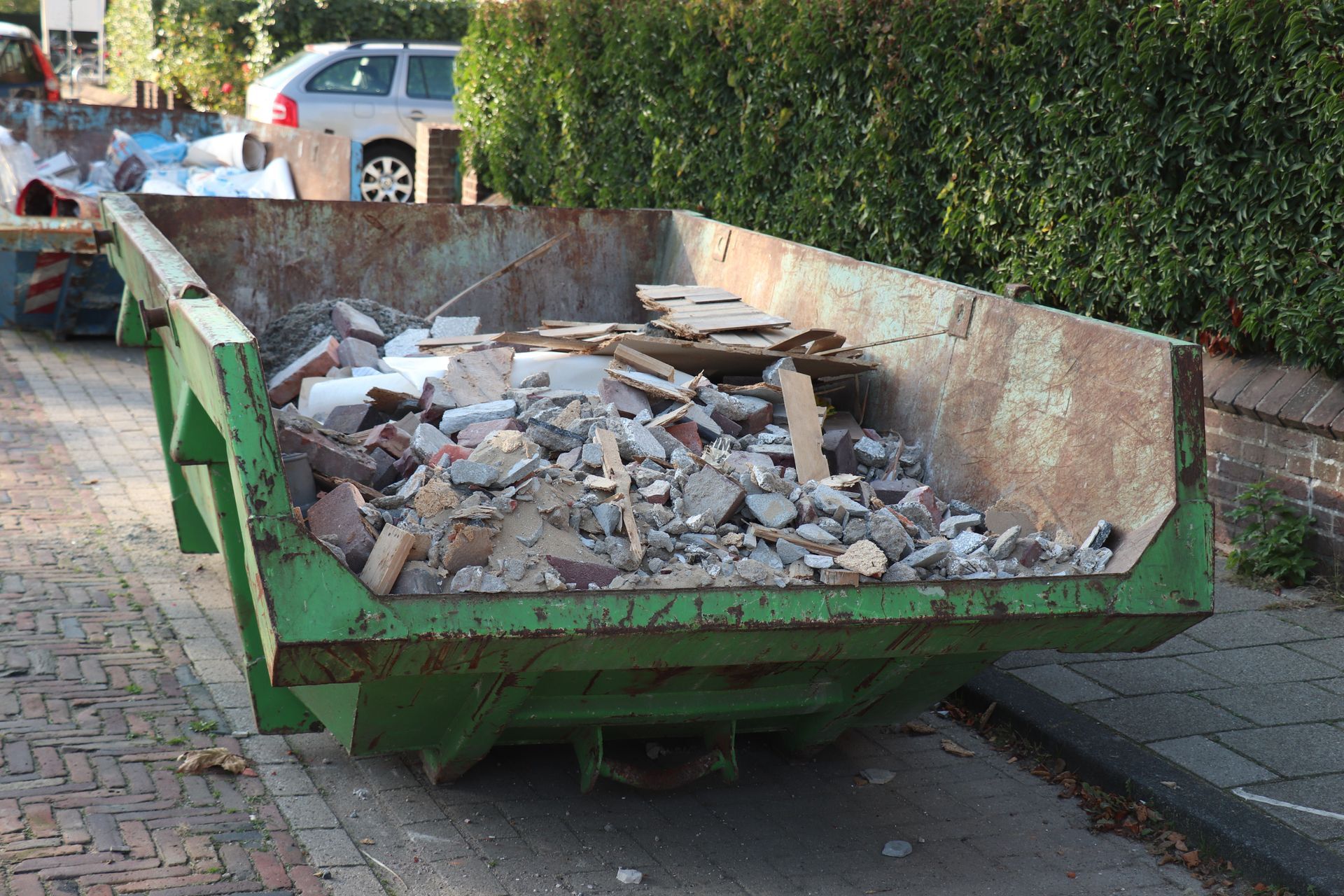
The Low Boy container is specifically designed for dense, heavy materials. Unlike taller dumpsters, the Low Boy has lower sidewalls and a more compact vertical profile, making it easier and safer to load heavy debris such as concrete, asphalt, brick, dirt, or stone.
Because heavy materials can quickly reach weight limits, the Low Boy’s design prioritizes safe loading and balanced transport rather than maximum height. Contractors frequently use this container for driveway removals, sidewalk tear-outs, foundation demolition, hardscape projects, and excavation work.
The lower walls reduce the risk of injury when workers are loading dense debris by hand or with machinery. It also helps prevent overfilling, which can create unsafe transportation conditions.
If your project involves substantial quantities of heavy debris, selecting a Low Boy instead of a standard tall container can help you avoid weight-related overage charges and improve safety during loading.
By evaluating your waste volume, material weight, project duration, and available placement space, you can determine which container best supports your goals. Taking the time to choose wisely helps keep your project organized, on schedule, and within budget. If you are planning an upcoming renovation, demolition, or cleanout, reach out to Debris Box to discuss your needs and reserve the right container for a smooth and efficient experience. We look forward to hearing from you!

Share On: